
Idaho State Capitol
The Capitol is a central orientation point for Downtown Boise. If you are nearby, we can give you a precise arrival window based on traffic and parking around Capitol Boulevard.
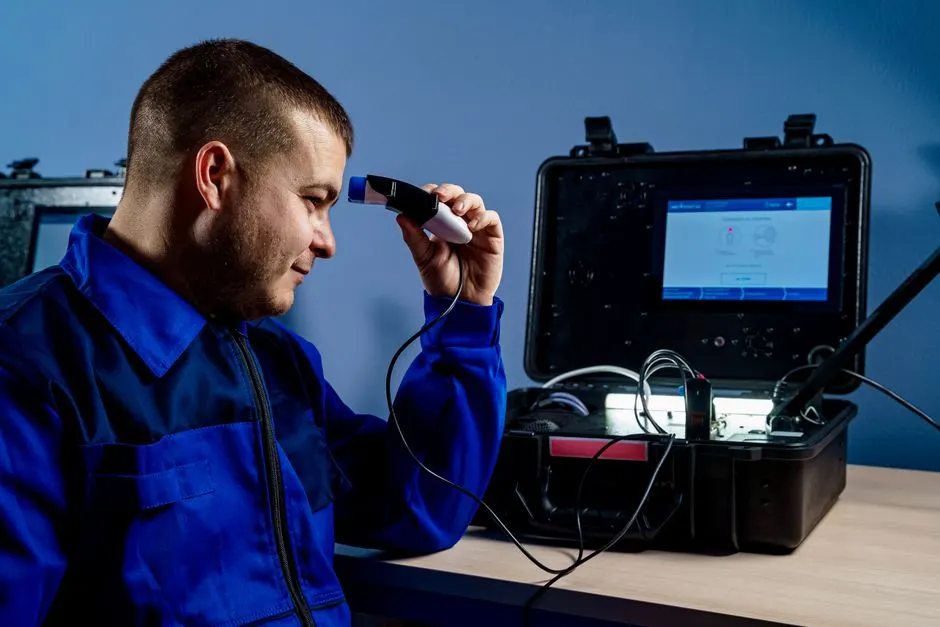
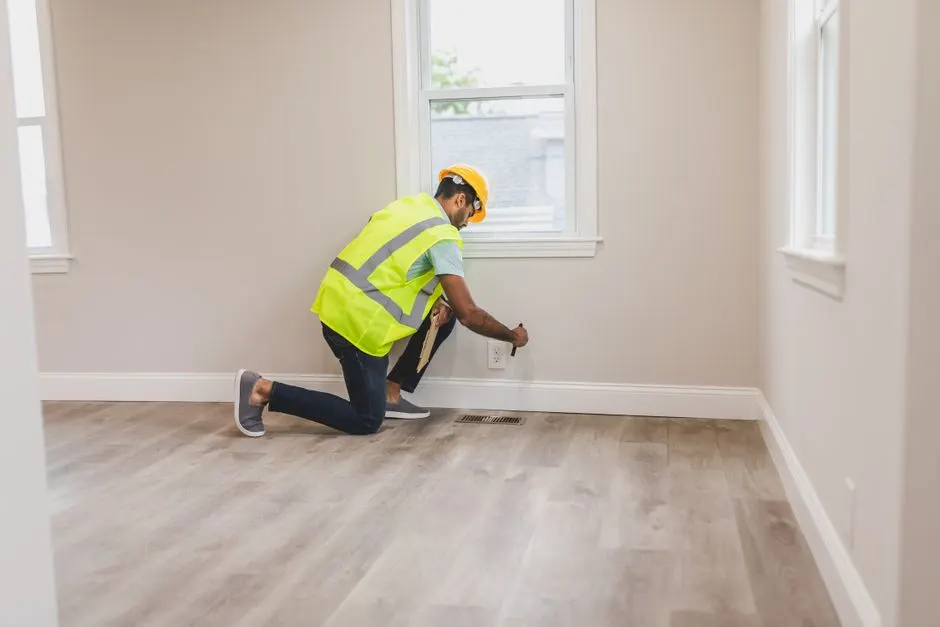
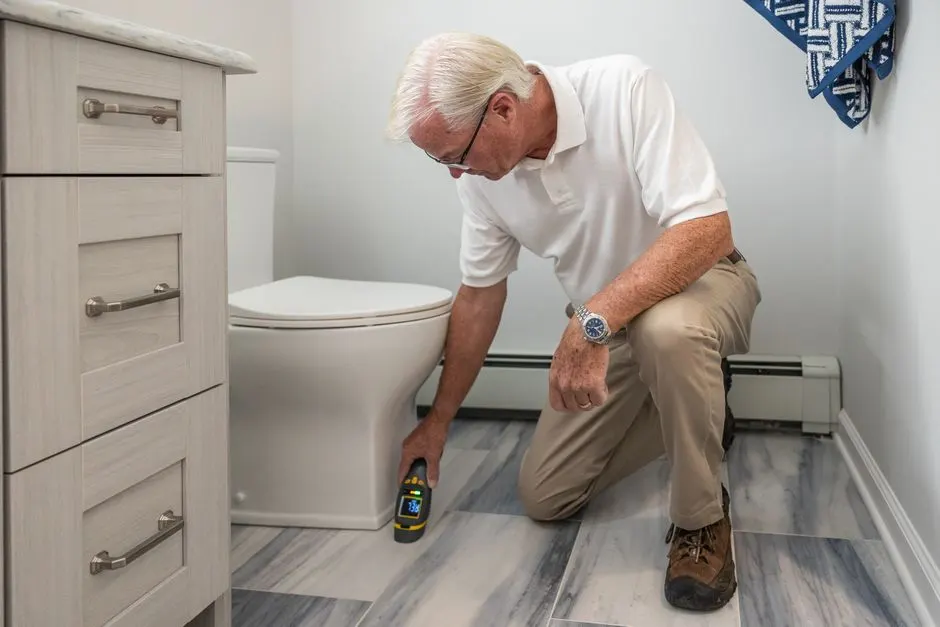
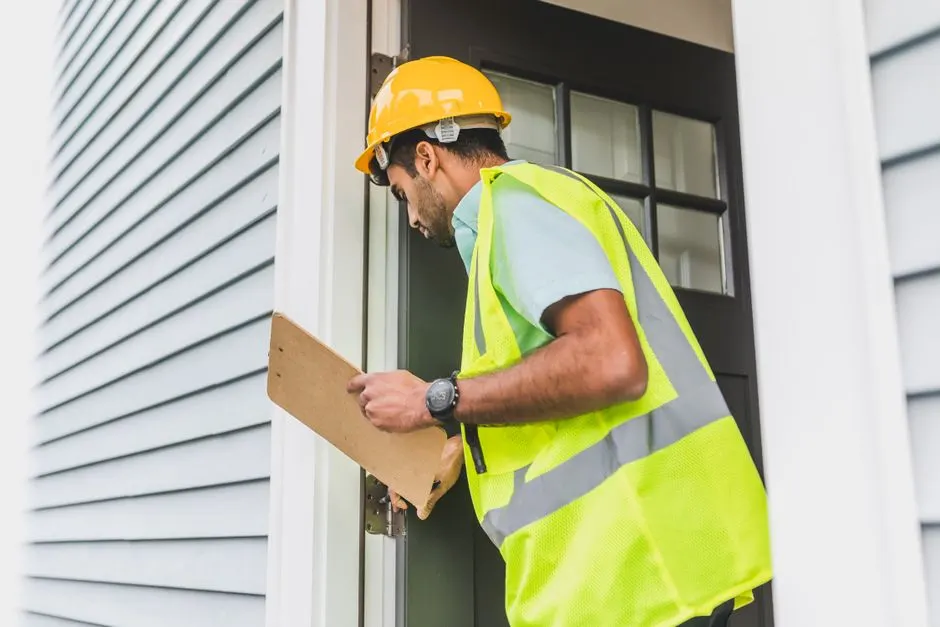
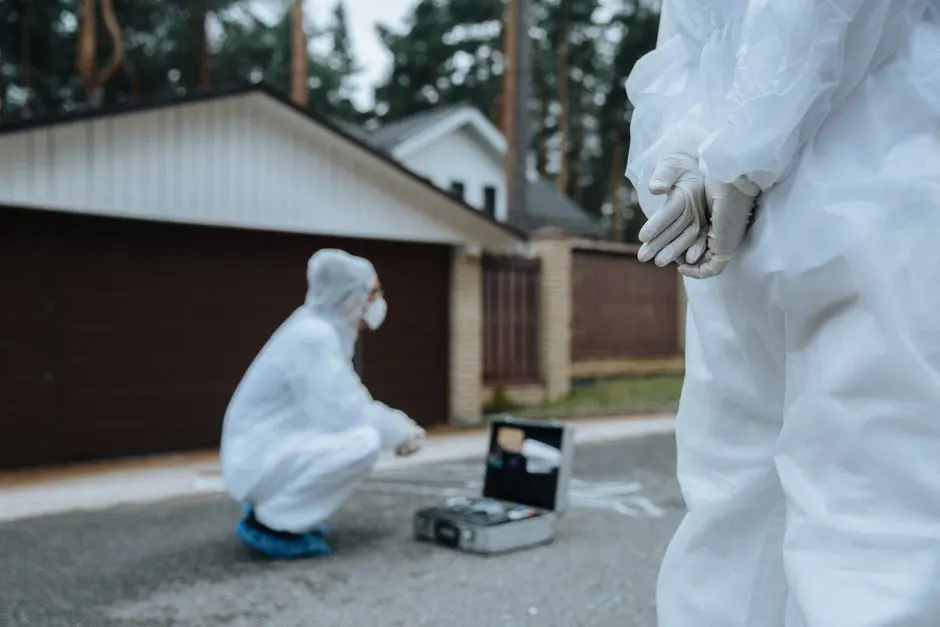
Mold Inspection and Testing in Downtown Boise means checking the places old buildings hide moisture: behind the lath and plaster on Basque Block, under the river-rock foundations near Julia Davis Park, and inside the HVAC closets of converted rentals in Central Addition. We bring a Protimeter moisture meter, a Flir thermal imaging camera, and a borescope camera to every call, so we can read what is happening inside a wall before we cut into it. Downtown Boise is not one kind of building. You have 1890s brick on Old Boise, 1970s rentals in the 83702, and new construction in BoDo. Each one fails differently. Our job is to find out which one you have and what it needs. We run air sampling pumps with Air-O-Cell spore trap cassettes, take swab and tape lift samples where we see growth, and send everything to a lab. You get a written report with lab results, photos, and a clear scope of work. If the answer is remediation, we can do it. If it is just a dehumidifier and a new exhaust fan, we will tell you that too.
We offer the full range of mold testing services Downtown Boise ID property owners need, from a basic moisture inspection to full post-remediation verification. If you are searching for Mold Inspection and Testing near me Downtown Boise ID, we are the crew that answers the phone and shows up with the right tools. Most of our Downtown work starts with a moisture problem you can smell but cannot see.
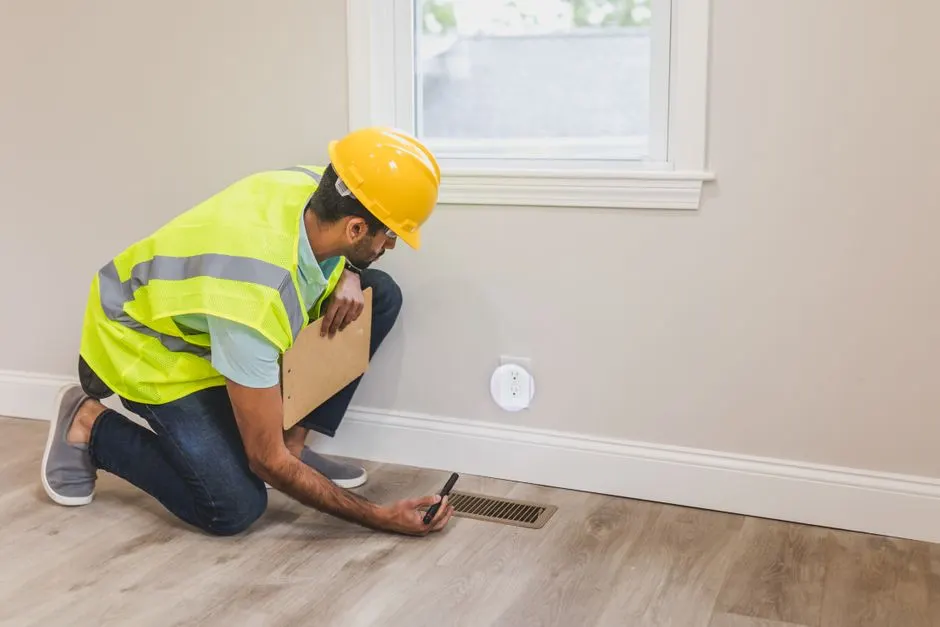

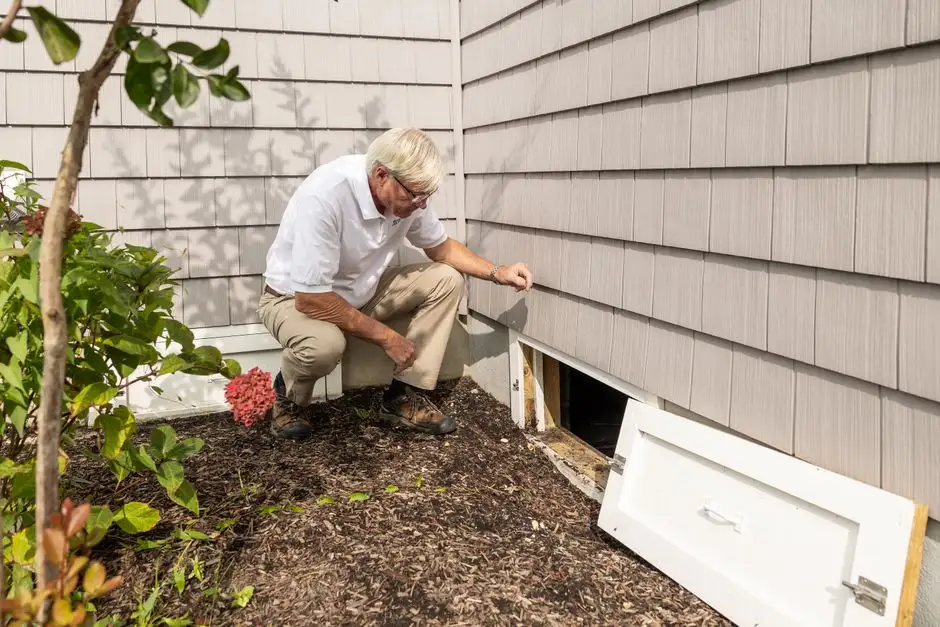
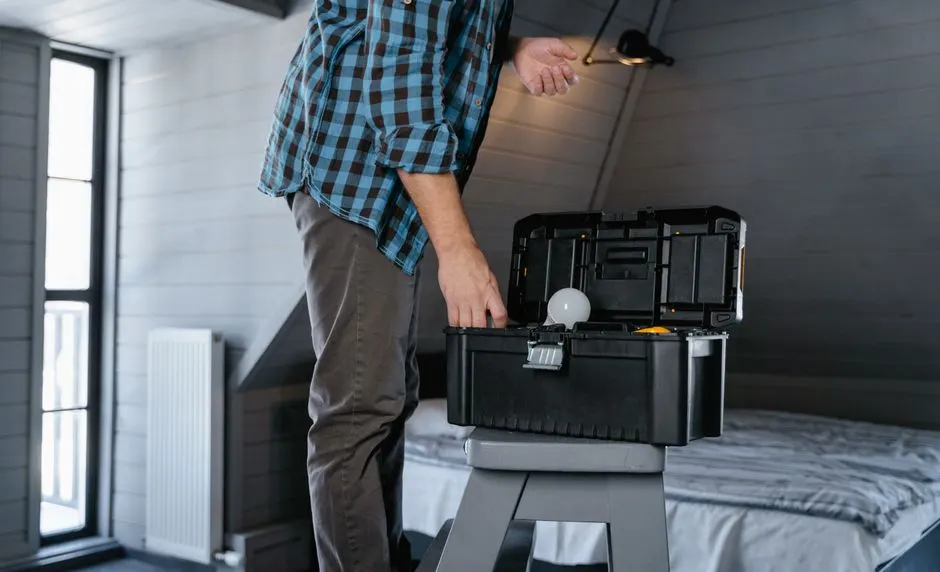
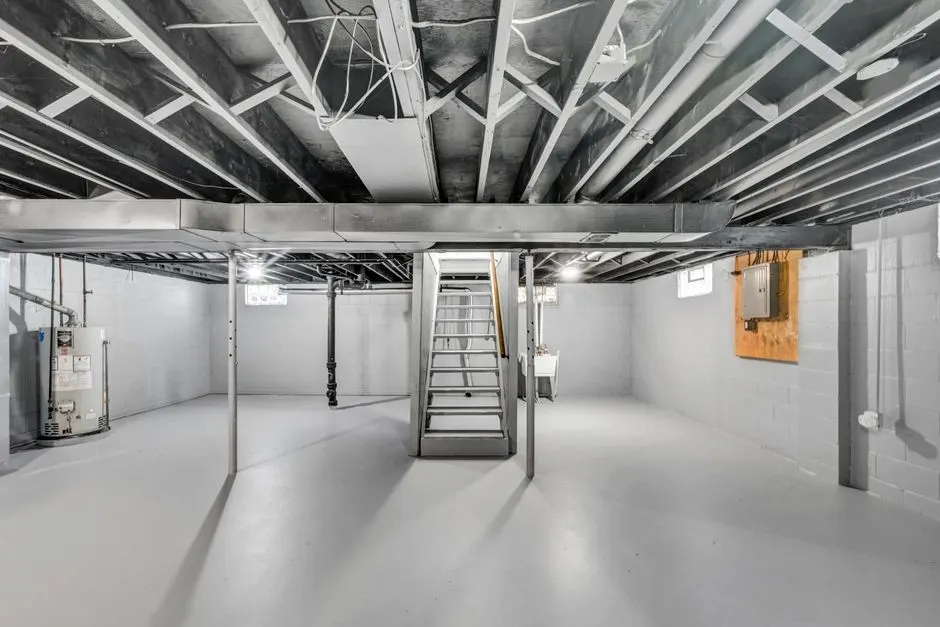
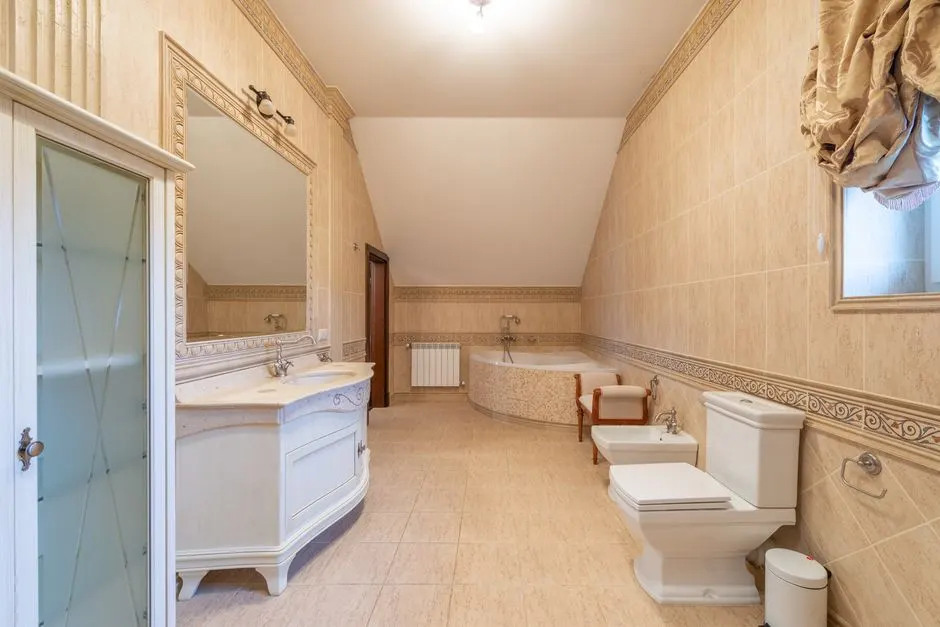
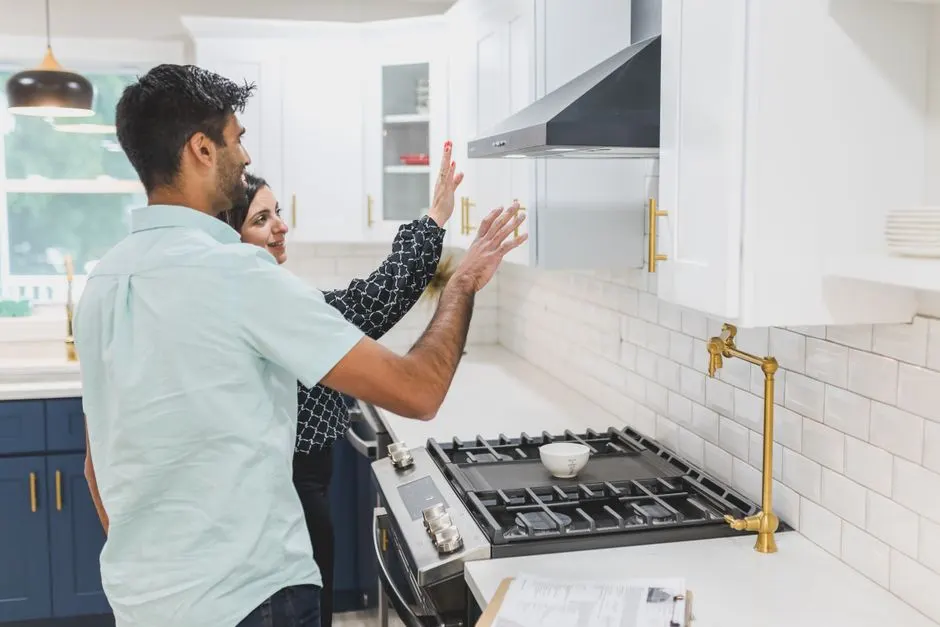
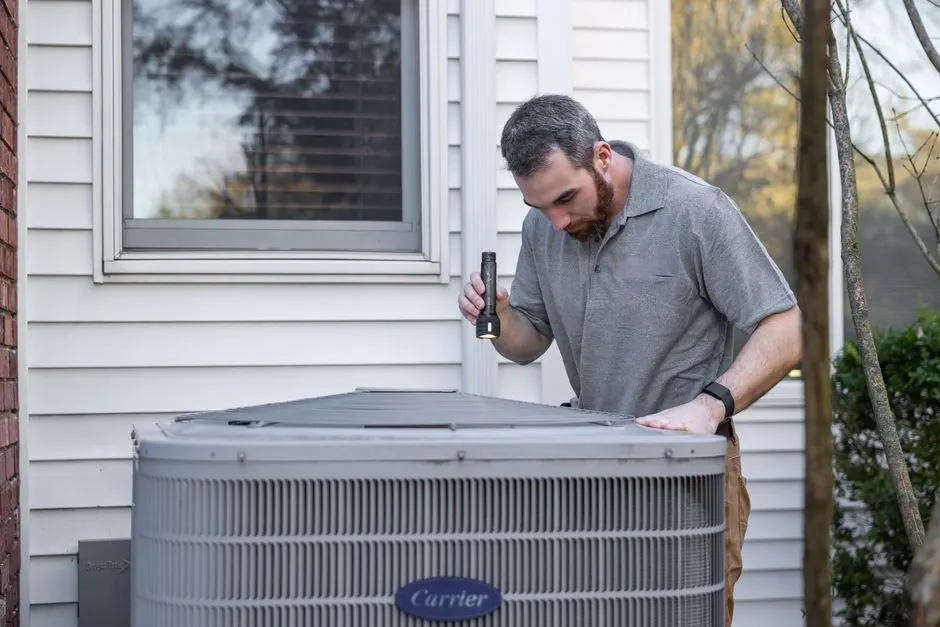
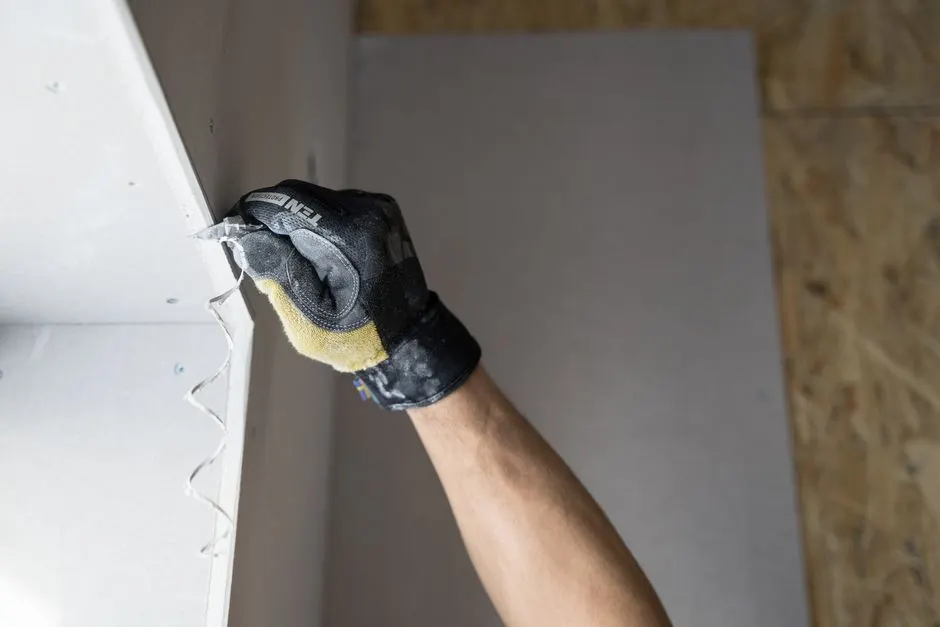
Downtown Boise has specific conditions that lead to mold problems. The older building stock, cold winters, and proximity to the Boise River all play a role. Here are the most common issues we see.
Older plumbing in Basque Block and Old Boise buildings often develops pinhole leaks. The water drips slowly inside the wall, and you do not notice until you smell mold or see a stain. By then, mold has been growing for weeks or months.
Crawl spaces in Downtown Boise often have dirt floors and poor ventilation. When the Boise River runs high in spring, groundwater can rise. Even without flooding, humidity can stay above 70%, which is enough for mold to grow on joists and insulation.
Roof leaks are common in older Downtown buildings. Even a small leak can soak the roof deck and insulation. In winter, warm air escaping into a cold attic creates condensation, which also feeds mold. We see attic mold from roof leaks in many historic buildings.
Many older bathrooms in Downtown Boise have no exhaust fan or one that vents into the attic. When you shower, humidity builds up and condenses on walls and ceilings. Over time, mold grows on the ceiling, grout, and behind the walls.
If you notice any of these signs, it is time to call for Mold Inspection and Testing near Downtown Boise. Mold can grow behind drywall, under floors, and in crawl spaces without you seeing it. The sooner you test, the sooner you can fix the problem.
Musty or earthy smell that will not go away
A musty smell means mold is growing somewhere, even if you cannot see it. In Downtown Boise, it is often in the crawl space, attic, or behind a wall. The smell comes from microbial volatile organic compounds (mVOCs) that mold releases. If you smell it, get an inspection.
Visible black or green spots on walls or ceilings
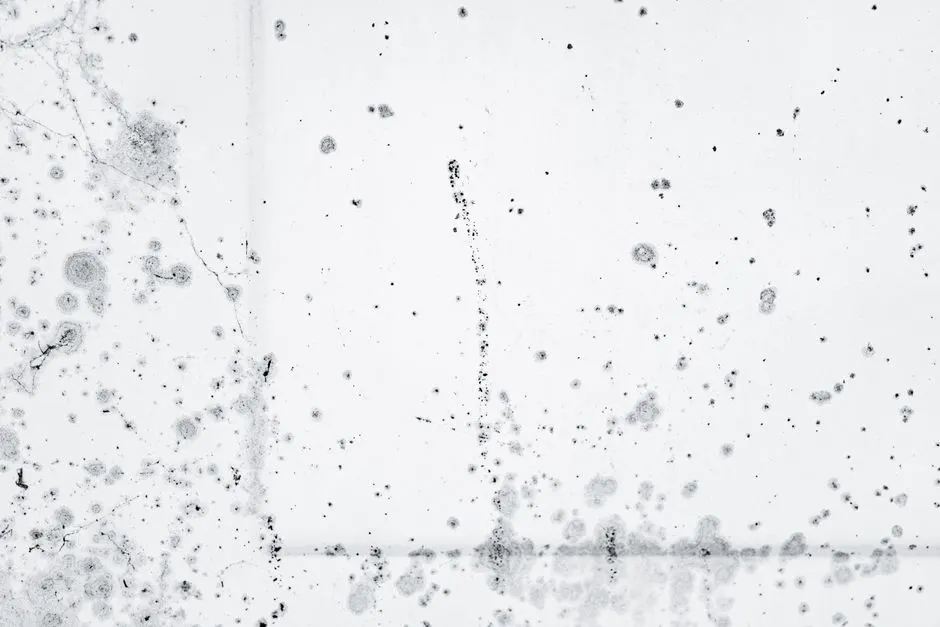
Black mold (Stachybotrys) and other molds can look like dark spots or streaks. They often appear near leaks, in bathrooms, or on ceilings under a roof leak. Do not just paint over them. Test first to find out what it is and fix the moisture source.
Water stain or discoloration on drywall
A water stain means moisture has been there. Even if it feels dry now, mold may have started behind the drywall. We use a moisture meter and thermal imaging to check if the wall is still wet inside. If it is, mold will follow.
Condensation on windows or cold surfaces
Condensation happens when warm, humid air hits a cold surface. In Downtown Boise winters, single-pane windows and poorly insulated walls can sweat. That moisture feeds mold. A humidity testing visit can tell you if your indoor humidity is too high.
Recent water leak or flooding
If you had a leak, a burst pipe, or flooding, mold can start within 24 to 48 hours. Even if you dried it up, moisture can stay trapped in drywall, insulation, or crawl spaces. A water damage inspection and mold test will confirm whether mold is growing.
We use Downtown Boise landmarks to navigate and to give you accurate arrival times. If you are near the Idaho State Capitol, we know the parking rules and the best loading zones. If you are by Julia Davis Park, we know how to get to the residential streets behind it. These landmarks help us move fast and avoid delays.
The Capitol is a central orientation point for Downtown Boise. If you are nearby, we can give you a precise arrival window based on traffic and parking around Capitol Boulevard.
Boise City Hall is on Capitol Boulevard, near many of the older commercial buildings we service. We use it as a reference point for scheduling calls in the 83702 ZIP code.
The Basque Museum is in the heart of the Basque Block. When you call from that area, we know exactly which streets are narrow and where to park without blocking traffic.
Boise Centre is a major event venue. If you are in a nearby building, we can plan around event traffic and street closures to keep your appointment on time.
Plus surrounding Ada County neighborhoods, with same-day routing on most appointments.
Mold in Downtown Boise is a year-round concern, but the seasons change where it shows up and how fast it grows. Here is what we see each season and what you can do about it.
Spring brings snowmelt and rain, and the Boise River can run high. Basements and crawl spaces in low-lying parts of Downtown are at risk of flooding. Mold can start within 24 to 48 hours after water enters. We also see attic mold from roof leaks that went unnoticed all winter.
Tip: Check your basement and crawl space for standing water or dampness. If you had flooding, call for a water damage inspection and mold test as soon as possible.
Summer is hot and dry, but that does not mean no mold. Air conditioning systems run constantly, and if the condensate line clogs, water can overflow and soak drywall or carpet. We also see HVAC mold contamination from dirty coils and drain pans. Humidity can still be high in basements and crawl spaces.
Tip: Change your HVAC filter and check the condensate drain. If you notice a musty smell when the AC runs, call for an HVAC mold inspection.
Fall is when we get calls about musty smells that developed over the summer. Leaves clog gutters, and rain can cause roof leaks. As temperatures drop, condensation starts to form on cold surfaces. This is a good time to fix any leaks before winter.
Tip: Clean your gutters and check for roof leaks. If you had a wet summer, schedule a moisture inspection to make sure your walls and crawl space are dry.
Winter in Downtown Boise is cold, and condensation is a major issue. Single-pane windows and poorly insulated walls sweat, and that moisture feeds mold. We also see frozen pipes that burst and cause water damage. Attic mold from condensation is common when warm air escapes into a cold attic.
Tip: Keep indoor humidity below 50% with a dehumidifier or by improving ventilation. If a pipe freezes, thaw it carefully and check for leaks. If you see condensation on windows, wipe it up and consider upgrading insulation.
From Downtown Boise, we serve the surrounding neighborhoods and cities. If you are in the North End, East End, Boise Bench, South Boise, West Boise, or Southeast Boise, we can get to you. We treat the whole Treasure Valley as one service area, and we bring the same tools and standards to every job.
(City)
The North End is just north of Downtown. Many of our Downtown customers also own rentals in the North End, so we often work both areas on the same day.
View North End(City)
The East End is east of Downtown, along the Boise River. We serve East End homes with the same crawl space and basement mold expertise we use in Downtown.
View East End(City)
The Boise Bench is south of Downtown, across the river. We regularly work on the Bench and can usually schedule a visit within a day or two.
View Boise Bench(City)
South Boise is south of the Bench. We serve South Boise for mold testing and remediation, especially after water damage from plumbing leaks.
View South Boise(City)
West Boise is west of Downtown, near the I-184 Connector. We cover West Boise for all mold inspection and testing services.
View West Boise(City)
Southeast Boise is east of the Bench. We serve Southeast Boise for crawl space mold, attic mold, and post-remediation verification.
View Southeast BoiseReal answers from our team for the questions we hear most often before a job starts.
If you need Mold Inspection and Testing in Downtown Boise, call Boise Mold Testing at +18668968166. We are licensed, insured, and we use lab testing to confirm what is growing. We serve the Basque Block, BoDo, Old Boise, Central Addition, and River Street. Same-day and emergency appointments are available. Call now for a free estimate.
Ready to schedule an inspection or have questions about mold testing? Call us at +1 866-896-8166 or email info@boisemoldtesting.com. We answer calls 24/7 for emergencies and schedule same-day appointments whenever possible. Our team serves all of Boise and Ada County, including ZIP codes 83702, 83703, 83704, 83705, 83706, and 83709.
Phone
+18668968166Address
Boise, Idaho
Hours
Mon–Fri: 7AM – 7PM
Sat: 8AM – 4PM
Sun: Emergency Only
24/7 Emergency Available