
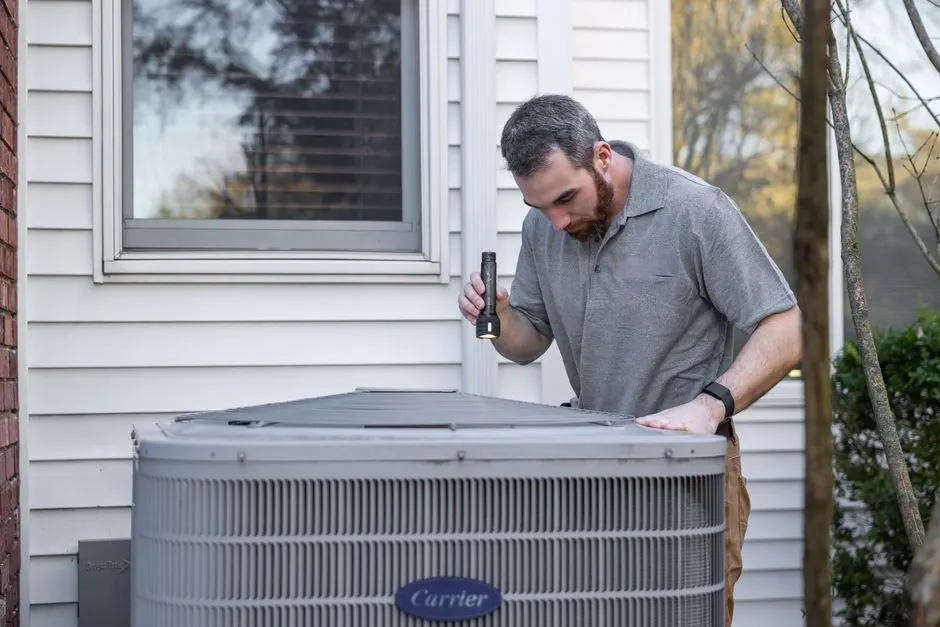
Full air handler scope
We open the cabinet, photograph the coil, blower wheel, and drain pan, and check for standing water or biofilm. Coil face and blower fins are the two most common growth sites in Boise systems.
Every inspection covers the full air path: return, filter, air handler, coil, drain pan, blower, supply trunks, and registers. Lab sampling is included in the base price. If we find growth, we quote remediation separately so you can decide with real numbers in front of you.
We open the cabinet, photograph the coil, blower wheel, and drain pan, and check for standing water or biofilm. Coil face and blower fins are the two most common growth sites in Boise systems.
A borescope camera goes down supply and return trunks, plus any accessible flex runs. We document interior condition with photos so you can see what we see, including hidden chases behind drywall.
Protimeter moisture meter and hygrometer readings are logged at the return, supply, and any suspect cavity. We note whether indoor humidity is above the 60 percent threshold that feeds mold.
Air-O-Cell spore trap cassettes run at the return and one supply register, plus an outdoor control. The accredited lab reports genus-level counts so you know what is actually in the air.
You get a report with photos, moisture data, lab results, and a clear recommendation: clean, remediate, or monitor. It is written for homeowners and accepted by insurers and real estate agents.
An HVAC mold inspection Boise ID is a room-by-room and component-by-component evaluation of the air your system moves. We pull the filter door, inspect the evaporator coil and drain pan, check the blower wheel, and run a borescope camera down the supply and return trunks. We log relative humidity with a hygrometer and Protimeter moisture meter, then take Air-O-Cell spore trap samples at the return and at a supply register so the lab can compare indoor counts against an outdoor baseline.
Boise homes run heat five months a year and AC four, so the same ductwork swings between bone-dry and damp. Add a tight 1970s ranch with a leaky crawl space, and you get condensation on cold coil fins, standing water in the drain pan, and dust that feeds mold. If you have been searching for ductwork mold inspection near me Boise, that swing is usually the cause. We test the system, not just the visible wall.
Five steps, one visit, no mystery. Here is exactly what happens from the moment you call until you have a report in hand.
Schedule
Call or book online — a real human picks up and confirms a 2-hour arrival window.
Diagnose
Licensed tech inspects on-site, then walks you through the cause and your options.
Fix
The job is completed to code and done right the first time — no shortcuts, no surprises.
Guarantee
Every job backed by a written workmanship warranty — and we stand behind it.
Flir thermal imaging camera
Finds temperature anomalies behind walls and around duct chases that point to hidden moisture or air leaks feeding mold growth.
Protimeter moisture meter
Logs percent moisture content in drywall, wood framing, and duct board so we know whether a surface is actually wet or just stained.
Borescope camera
Lets us see inside supply trunks, return chases, and flex duct runs without cutting into the system.
SKC air sampling pump
Draws a calibrated volume of air through spore trap cassettes so the lab can report spores per cubic meter.
Air-O-Cell spore trap cassettes
Capture airborne spores for genus-level lab analysis at the return, supply, and outdoor control points.
Extech hygrometer
Measures relative humidity and temperature at the return and supply to confirm whether the system is running wet.
3M and Zefon sampling supplies
Swabs and tape lift kits for surface sampling when we need to confirm growth on a coil, pan, or duct surface.
IICRC S520 remediation standard
We follow S520 for condition assessment, containment, and clearance. It is the industry benchmark for mold work and the standard insurers expect to see referenced in a report.
Comparative air sampling
We sample indoor air at the return and one supply register, plus an outdoor control. Comparing indoor to outdoor counts tells us whether the system is amplifying spores.
Surface sampling with swabs and tape lifts
When we find visible growth, swabs and tape lifts confirm whether it is active mold and what genus. This is useful for insurance documentation and remediation scoping.
Post-remediation verification sampling
After remediation, we re-sample the same points and compare to the outdoor baseline. Clearance requires indoor counts at or below outdoor levels for the genera found.
01
What we do: We run a full HVAC mold inspection Boise ID with air sampling at the return and supply. The report tells you whether the smell is system-related or coming from the crawl space, so you know what to fix first.
→ You get a lab-backed answer before your contingency window closes, and a written report you can use to negotiate repairs.
02
What we do: We inspect the duct chase and surrounding drywall with a thermal imaging camera and moisture meter, then sample the return air. If growth has reached the duct, we scope remediation.
→ You catch secondary mold growth early, before it spreads through the system and into bedrooms.
03
What we do: We run air quality testing alongside the HVAC inspection, comparing indoor spore counts to an outdoor baseline. If the system is the source, we identify exactly where the growth is.
→ You get documentation to share with your doctor and a clear remediation plan if the counts warrant it.
04
What we do: We borescope the attic duct runs, check insulation and sheathing for mold, and sample the supply air. Wet flex duct typically gets replaced rather than cleaned.
→ The attic and duct system are verified clean or remediated, and you have a report for your insurance claim.
Boise sits in a high-desert climate with cold winters and dry summers, but that does not stop HVAC mold. It actually creates a specific pattern. Systems run heat from October through April, then switch to AC in June. That swing condenses moisture on cold coil fins and leaves drain pans wet for weeks. Older homes in the North End and Depot Bench often have original metal ductwork with joints that leak attic or crawl space air straight into the return. Newer builds in Harris Ranch and Southeast Boise use flex duct in unconditioned attics, which bakes at 140 degrees in July and condenses in January. Both patterns feed mold. When you book an air duct mold assessment in Boise Idaho, we already know which neighborhoods have crawl space humidity problems and which have attic duct heat problems. That local pattern recognition is why we can usually pinpoint the source in one visit. If you are searching for HVAC mold inspection near me Boise ID, we cover the whole city and Ada County, and we can usually be on site the same day.
North End
Older bungalows with original metal ductwork and unsealed joints that pull crawl space air into the return.
Harris Ranch
Newer construction with flex duct in unconditioned attics, prone to summer heat damage and winter condensation.
Boise Bench
Mid-century ranches with ductwork running through vented crawl spaces, a common source of humidity-driven growth.
Collister
Mix of older and newer homes where attic duct runs and roof leaks often combine to feed mold.
Warm Springs
Homes near the foothills with mature trees and roof debris that cause slow leaks into attic duct chases.
Cold winters with heating systems running five months
Long heating cycles dry the air but leave drain pans and coil surfaces wet from the last cooling season, giving mold a head start when spring arrives.
Dry summers with AC running continuously
Constant cooling keeps coil fins wet and drain pans full. If the condensate line clogs, overflow soaks the cabinet and nearby drywall.
Vented crawl spaces in older Boise homes
Crawl space humidity migrates into ductwork through leaky joints, raising indoor spore counts even when the system itself looks clean.
Attic flex duct exposed to extreme heat
Attic temperatures above 140 degrees degrade flex duct jackets and create condensation points where mold colonizes the liner.
Most HVAC mold calls start with a smell or a symptom, not a visible stain. Here are the problems we hear most and how we handle them.
Problem
The odor means spores are being pushed into every room. Ignoring it lets growth spread from the coil into duct liner and flex runs, which turns a cleaning job into a full remediation.
Our Fix
We scope the air handler and ductwork, sample the return air, and identify the growth source. If it is confined to the coil and pan, cleaning usually solves it. If it has reached the duct liner, we quote remediation with containment.
Problem
Elevated indoor spore counts trigger asthma, sinus issues, and headaches. Families often blame pollen when the real source is the system moving air through contaminated ductwork.
Our Fix
Air sampling at the return and supply gives us genus-level counts to compare against outdoor baseline. If Penicillium/Aspergillus or Stachybotrys is elevated indoors, we map the contamination and recommend the right fix.
Problem
Standing water in the pan grows biofilm that seeds the coil and blower. Left alone, it clogs the condensate line and causes overflow that damages the cabinet and nearby drywall.
Our Fix
We check the pan, drain line, and trap for standing water and slime. If growth is present, we clean and treat the pan, clear the line, and verify the coil is dry before we leave.
Problem
Attic flex duct in Boise can hit 140 degrees in summer and condense in winter. That swing creates the moisture mold needs, and stained duct jacket is a sign growth is already inside.
Our Fix
We borescope the flex runs and sample the supply air. Contaminated runs get removed and replaced rather than cleaned, since flex duct cannot be reliably decontaminated once the liner is colonized.
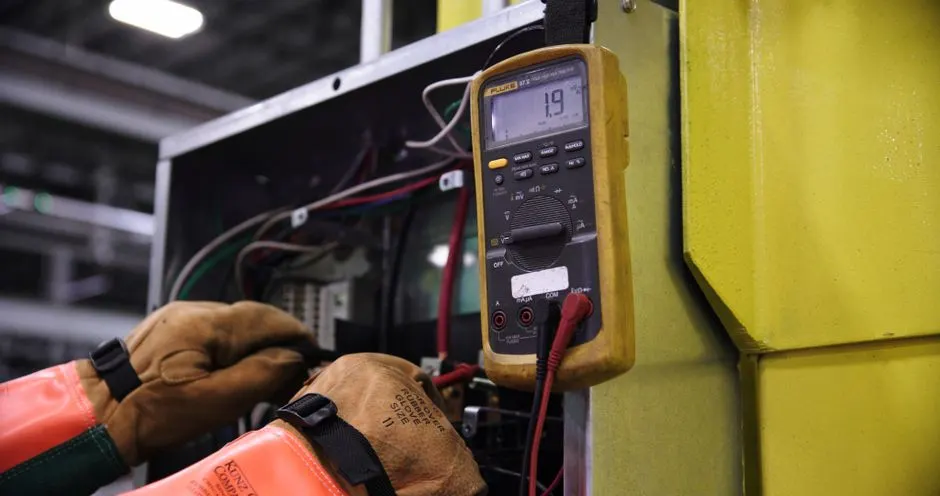
Mold in an HVAC system does not stay in the HVAC system. Every time the blower kicks on, spores ride the airstream into bedrooms, kitchens, and living rooms. Here is what you get when we inspect yours.
Lab-backed, not guesswork
We send Air-O-Cell spore trap cassettes to an accredited lab and get genus-level counts back, usually within 24 to 48 hours. You see raw numbers, not a technician's hunch. If Stachybotrys or elevated Penicillium/Aspergillus shows up, you know exactly where and how much.
Same-day scheduling
We run same day HVAC mold inspection Boise ID appointments for musty-smell calls, post-water-damage checks, and real estate closings. Most homes are inspected in 90 to 150 minutes, and you get a written summary the same day the lab reports land.
Protects the equipment
Mold on a blower wheel throws it out of balance, and contaminated coil fins lose capacity. Catching growth early saves a $600 to $1,800 component replacement. We document what is salvageable and what needs to come out.
Cleaner air for your family
Ductwork mold inspection near me Boise calls spike when kids start wheezing at night. Once we map the contamination, we can spec HEPA filtration, antimicrobial treatment, and encapsulation so the system stops recirculating spores through every bedroom.
Google ★★★★★4.9
Fast, thorough, and honest. They found mold on our blower wheel that two other companies missed. Lab results came back in a day and a half. The report was detailed enough that our insurance approved the claim without pushback.
Yelp ★★★★★4.8
Called on a Tuesday, inspected Wednesday morning. The tech walked me through every photo and explained what the lab numbers meant. No scare tactics, no upsell. Just a clear plan and a fair price.
BBB ★★★★★4.9
We used them for a real estate transaction on the Boise Bench. They turned the report around in under 48 hours and the buyer's agent had no follow-up questions. Professional from start to finish.
Google ★★★★★5.0
Our attic flex duct was contaminated and they replaced it without trying to sell us a full-house remediation. Post-remediation testing confirmed it was clean. Honest work at a fair price.
Our inspectors hold IICRC WRT and AMRT credentials, and our lead techs carry ACAC CMI and CMR designations. That matters because HVAC mold work sits at the intersection of water damage restoration and indoor air quality. We follow IICRC S520 remediation standards and use calibrated equipment from Flir, Protimeter, Extech, and SKC. Every sample goes to an accredited third-party lab, so the numbers are not ours to fudge. We are a NACHI certified inspector shop and carry Idaho state mold licensing for the work we perform.

Real answers to the questions we hear most often from local homeowners and property managers.
A whole-home mold inspection covers the rooms, attic, and crawl space around your HVAC system. When duct mold is confirmed, we inspect the surrounding building envelope to find the moisture source feeding it.
View Mold InspectionMold testing gives you genus-level lab results from air and surface samples. We pair it with HVAC work so you know whether the growth is Cladosporium (common) or Stachybotrys (needs immediate action).
View Mold TestingAir quality testing measures spores, particulates, and humidity across your home. It is the natural follow-up to an HVAC mold inspection Boise ID when you want to confirm the system is the source.
View Air Quality TestingBlack mold inspection targets Stachybotrys chartarum, the species most often found on wet drywall and duct board. If your HVAC inspection flags black growth, we scope the full extent before any removal.
View Black Mold InspectionToxic mold testing screens for mycotoxin-producing species. It is worth doing when an HVAC inspection finds heavy growth and occupants report headaches, nosebleeds, or breathing issues.
View Toxic Mold TestingMold remediation removes contaminated materials under containment and HEPA filtration. When duct interiors are colonized, remediation follows the inspection and includes coil and plenum cleaning.
View Mold RemediationReady to schedule an inspection or have questions about mold testing? Call us at +1 866-896-8166 or email info@boisemoldtesting.com. We answer calls 24/7 for emergencies and schedule same-day appointments whenever possible. Our team serves all of Boise and Ada County, including ZIP codes 83702, 83703, 83704, 83705, 83706, and 83709.
Phone
+18668968166Address
Boise, Idaho
Hours
Mon–Fri: 7AM – 7PM
Sat: 8AM – 4PM
Sun: Emergency Only
24/7 Emergency Available