
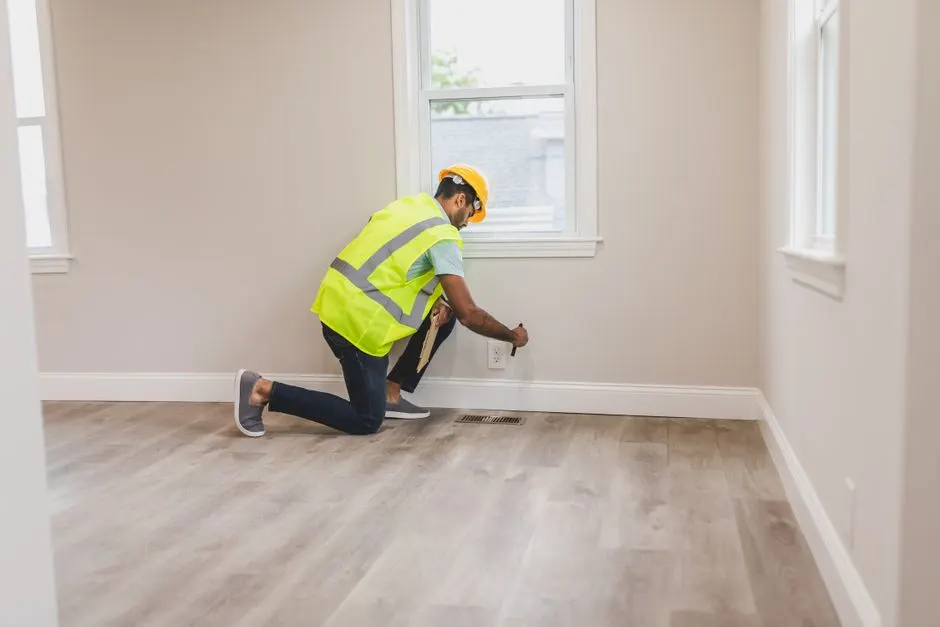
Full Visual Walkthrough
We inspect every accessible room, plus the attic, crawl space, and mechanical areas. Suspect areas get photographed and logged. This is where we connect what you are seeing or smelling to a physical location in the house.
Every black mold inspection includes the full walkthrough, moisture mapping, air sampling, lab analysis, and a written report. Additional sampling, crawl space or attic add-ons, and post-remediation verification are quoted separately if you need them. You get the price up front, and the report is yours to keep and share.
We inspect every accessible room, plus the attic, crawl space, and mechanical areas. Suspect areas get photographed and logged. This is where we connect what you are seeing or smelling to a physical location in the house.
A Protimeter moisture meter and a thermal imaging camera map wet materials and cold spots behind finished surfaces. Readings are recorded so you can see exactly how wet each area is and whether it is drying or getting worse.
We run an SKC or Zefon air sampling pump with Air-O-Cell spore trap cassettes indoors and out, then take tape lift or swab samples from visible growth. The indoor-versus-outdoor comparison is what tells you whether levels are elevated.
Samples go to an accredited lab for direct microscopy. Results come back with species identified and spore counts per cubic meter. Turnaround is typically 24 to 72 hours, and we review the data against the outdoor baseline before writing anything up.
You get a report that includes photos, moisture readings, lab results, and a plain-language summary of findings and the likely moisture source. It is written so a homeowner, a realtor, and a remediation contractor can all use it.
We go over the report with you by phone or on site and answer questions until you understand what is there and what comes next. If remediation is warranted, we explain what scope of work the findings support so you can compare bids fairly.
A black mold inspection Boise ID is a room-by-room investigation that locates moisture, finds hidden growth, and confirms what is actually growing through lab analysis. We start with a moisture meter and a thermal imaging camera to map cold spots and wet drywall behind paint. Then we pull air samples with a Zefon pump and Air-O-Cell spore trap cassettes, and take tape lift or swab samples from anything visible. Everything goes to an accredited lab, and you get a written report with species, spore counts, and photos.
Most calls we run in Boise start the same way: a roof leak in the North End, a crawl space that never dried out after spring runoff, or a bathroom fan that quit two winters ago. Black mold (Stachybotrys) needs sustained moisture, so the source matters as much as the growth. If you have been searching for black mold detection near me Boise and getting nothing but sales pitches, we do the opposite: we test first, then tell you what the results actually mean for your house and your family.
Five steps, no mystery. Here is exactly what happens from the phone call to the report in your inbox.
Schedule
Call or book online — a real human picks up and confirms a 2-hour arrival window.
Diagnose
Licensed tech inspects on-site, then walks you through the cause and your options.
Fix
The job is completed to code and done right the first time — no shortcuts, no surprises.
Guarantee
Every job backed by a written workmanship warranty — and we stand behind it.
Thermal Imaging Camera (Flir)
Reveals temperature differences behind walls, under floors, and above ceilings that point to hidden moisture. It lets us find wet areas before they show as stains.
Moisture Meter (Protimeter)
Measures moisture content in drywall, wood, and concrete. Readings tell us how wet a material is and whether it is drying or still being fed by an active leak.
Borescope Camera
Slides into wall cavities, ductwork, and crawl spaces to confirm what is growing behind finished surfaces without cutting anything open.
Air Sampling Pump (SKC, Zefon)
Draws a known volume of air through a spore trap cassette so the lab can report spores per cubic meter. This is the core of any air quality comparison.
Air-O-Cell Spore Trap Cassettes
Capture airborne spores for direct microscopy. We run them indoors and outdoors so the lab can compare what is inside against the natural background.
Hygrometer and Particle Counter (Extech, Dylos)
Track relative humidity and airborne particulate levels. Humidity above 55% is a mold risk even without a visible leak, and particulates spike during disturbance.
Swab and Tape Lift Kits
Collect surface samples from visible growth for species identification. Tape lifts preserve the structure of the growth, which helps the lab confirm genus.
IICRC S520 Assessment Standard
We follow the S520 standard for mold assessment, which lays out how to investigate, sample, and document a mold problem. It is the same framework used on commercial water losses, applied at residential scale.
Indoor vs. Outdoor Baseline Comparison
Every air sample is compared against an outdoor control taken the same day. That comparison is how we tell normal background spores from an indoor amplification problem, and it keeps the report honest.
Moisture Source Tracing
We do not stop at finding mold. We trace the water back to its source, whether that is a failed supply line, a roof leak, a grading issue, or high crawl space humidity. Fixing the source is what makes the result last.
Post-Remediation Verification Protocol
After cleanup, we re-sample air and surfaces and compare results to the pre-work baseline. Clearance criteria are applied so you know the job is actually finished, not just visually clean.
01
What we do: We inspect the materials the water reached, meter inside wall cavities, and take air samples to check for spores that became airborne during the event. If drying was incomplete, the readings will show it.
→ You either get confirmation that the area is dry and clean, or documentation showing what still needs attention before the problem grows.
02
What we do: We run a full inspection with air and surface sampling and produce a written report with lab data. Sellers can use it to answer buyer questions; buyers can use it to negotiate or plan repairs.
→ The transaction moves forward with facts instead of a contingency stuck on an unresolved maybe.
03
What we do: We inspect the crawl space with a borescope, measure humidity, and sample the air inside the space and in the living area above it. The report identifies the moisture source and the extent of any growth.
→ You know whether a vapor barrier repair and dehumidifier will solve it or whether remediation is needed first.
04
What we do: We test the air in the rooms where symptoms are worst, plus the HVAC supply air, and compare everything to an outdoor baseline. Species and counts come back from the lab.
→ You get a clear picture of what is in the air and where it is coming from, which is what you need to decide on next steps.
Boise sits in a high-desert climate, which surprises people who assume mold is a coastal problem. The issue here is not year-round humidity; it is water events. Winter freeze-thaw cycles crack supply lines and ice dams push water under roof shingles. Spring runoff raises groundwater against foundations in the Bench and Depot Bench areas. Summer irrigation and sprinkler overspray keep siding and crawl spaces wet. Add older housing stock in the North End and East End with original plumbing and undersized bath fans, and you get the conditions that feed Stachybotrys. We also see plenty of attic mold from bath fans venting straight into the attic instead of outside, and HVAC mold from condensate pans that never drain properly. If you need a same day black mold inspection Boise ID, call early in the day and we can usually fit you in. Our reports are written to the standards that Ada County realtors and insurance adjusters expect.
North End
Older homes with original plumbing and small bath fans. We frequently find growth behind bathroom walls and in attic sheathing from roof leaks and ice damming.
Boise Bench
Sloping lots and aging foundations mean groundwater sits against basement and crawl space walls after spring runoff. Vapor barrier condition matters here.
Harris Ranch
Newer construction with tight envelopes. When a supply line fails or a condensate line clogs, moisture has nowhere to escape and mold shows up fast.
Depot Bench
Mix of older and renovated homes. We often find hidden growth behind updated finishes where a slow leak was never fully dried before the remodel.
Southeast Boise
Larger lots with irrigation systems. Sprinkler overspray against siding and foundation walls keeps exterior sheathing damp through the summer.
Winter freeze-thaw cycles and ice damming
Supply lines in exterior walls crack, and ice dams force water under shingles. Both feed attic and wall cavity mold that often goes unnoticed until spring.
Spring runoff and high groundwater
Crawl spaces and basements take on water or stay at high humidity for weeks. Mold colonizes joists and subfloor if the space is not dried and sealed.
Dry summer air with irrigation overspray
Interior air dries out, but exterior walls and crawl spaces stay damp from sprinklers. This creates localized moisture that does not show up in indoor humidity readings.
Older housing stock with undersized ventilation
Bath and kitchen fans that move too little air leave moisture in the walls. We measure airflow and check duct termination to confirm whether the fan is doing its job.
Most of the calls we take come down to one of a few situations. Here is what we find and how we handle each one.
Problem
A persistent odor usually means active growth in a wall cavity, crawl space, or HVAC system. Left alone, it spreads and the air quality in the whole house drops.
Our Fix
We use thermal imaging and a borescope camera to find the source without demolition, then take air samples in the suspect area and compare them to the outdoor baseline. If growth is confirmed, the report pinpoints the location so remediation can be targeted instead of gutting a whole room.
Problem
Mold can colonize wet drywall and insulation within 24 to 48 hours. If drying was incomplete, growth continues behind the surface long after everything looks dry.
Our Fix
We meter every material the water touched, including inside wall cavities, and sample the air to see whether spores have become airborne. This is the black mold testing after leak Boise Idaho homeowners need before they close the book on a water claim.
Problem
High humidity under the house feeds mold on joists and subfloor, and the stack effect pulls those spores up into living space. It also rots framing over time.
Our Fix
We inspect the crawl space with a borescope, measure relative humidity with a hygrometer, and sample the air inside the space. The report identifies whether the vapor barrier, drainage, or ventilation is the problem, and what needs to change to keep it dry.
Problem
When headaches, coughing, or allergy symptoms show up mainly in a bedroom or basement, that pattern often points to a localized mold source the occupants cannot see.
Our Fix
We sample the air in the affected room and in a control area, plus the HVAC supply if the system serves that space. Species identification and spore counts give you and your doctor something concrete to work with instead of guesswork.
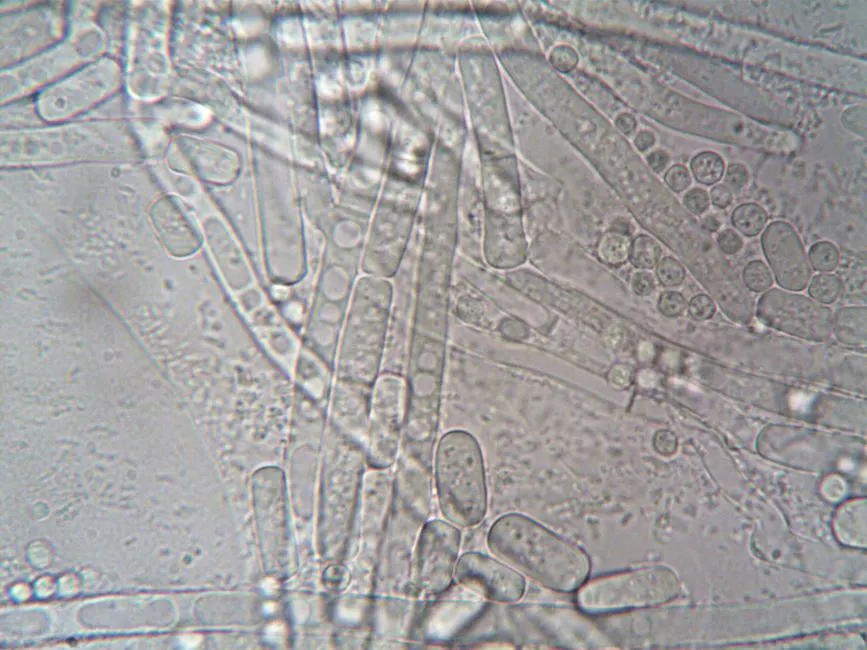
Testing turns a scary maybe into a clear answer. Here is what you get when we walk your property and put the samples in the lab.
Know What You Are Breathing
Lab results name the species and give you spore counts per cubic meter, indoors versus outdoors. That is how you tell a normal background level from an active Stachybotrys problem. If you have been asking how to identify black mold in Boise ID, this is the answer, backed by a report you can hand to your insurance adjuster or your doctor.
Find the Hidden Growth
Most of the mold we confirm in Boise homes is not the patch you can see. It is behind baseboards, under the kitchen sink cabinet, inside the HVAC plenum, or on the underside of attic sheathing. Thermal imaging and a borescope camera let us check those cavities without tearing your house apart. You get photos of what is back there.
Catch the Water Source
Mold will come back until the moisture stops. During every inspection we track the source with a Protimeter moisture meter and a hygrometer: a failed supply line, a cracked shower pan, a downspout dumping against the foundation, or a crawl space sitting at 80% relative humidity. Fix the water and the mold problem stays fixed.
Protect the Sale or the Claim
A written inspection report with lab data carries weight. Sellers use it to answer buyer questions, buyers use it to negotiate, and homeowners use it to support an insurance claim after a burst pipe or a failed water heater. It is documentation, not opinion, and that is what makes it useful when money is on the line.
Our inspectors hold IICRC WRT and AMRT credentials and ACAC CMI and CMR certifications, which means the same training used on commercial water losses gets applied to your house. We work to the IICRC S520 standard for mold assessment, and we carry EPA Lead-Safe and OSHA 10 training for the older housing stock common in Ada County. We have inspected crawl spaces, attics, basements, and HVAC systems across Boise, from 1920s bungalows in the North End to new builds in Harris Ranch. We do not sell remediation, so the report tells you what is there, not what we want to sell you.
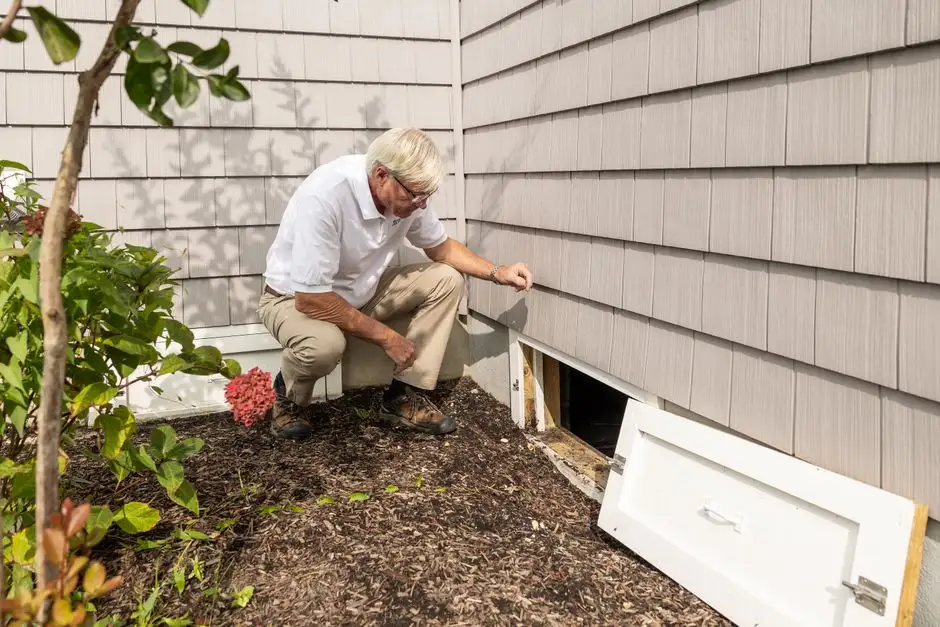
Real answers to the questions we hear most often from local homeowners and property managers.
A full-property mold inspection covers every room, the attic, the crawl space, and the HVAC system. It is the right starting point when you are not sure where the problem is, and it pairs with black mold testing when a specific area looks suspicious.
View Mold InspectionMold testing is the lab side of the work: air samples, tape lifts, and swabs analyzed for species and spore counts. We run this alongside every black mold inspection so you get numbers, not opinions, and a baseline you can compare against after any cleanup.
View Mold TestingAir quality testing measures what is floating through your home right now, including mold spores, particulates, and humidity load. It is useful after a remodel, a leak, or a new HVAC install, and it gives you an indoor-versus-outdoor comparison to judge whether levels are elevated.
View Air Quality TestingToxic mold testing targets mycotoxin-producing species like Stachybotrys and Chaetomium. If someone in the house has symptoms that track with time spent in one room, this is the test that answers the question. Results come back with species identified and counts reported.
View Toxic Mold TestingWhen the lab confirms active growth, remediation removes it under containment with HEPA filtration and antimicrobial treatment. We do not perform remediation ourselves, so our report stays independent, but we can review a contractor's scope against the findings before work starts.
View Mold RemediationMold removal is the physical work of taking out contaminated drywall, insulation, or framing and disposing of it properly. The scope depends on how far the growth has spread, which is exactly what an inspection determines before anyone starts cutting.
View Mold RemovalReady to schedule an inspection or have questions about mold testing? Call us at +1 866-896-8166 or email info@boisemoldtesting.com. We answer calls 24/7 for emergencies and schedule same-day appointments whenever possible. Our team serves all of Boise and Ada County, including ZIP codes 83702, 83703, 83704, 83705, 83706, and 83709.
Phone
+18668968166Address
Boise, Idaho
Hours
Mon–Fri: 7AM – 7PM
Sat: 8AM – 4PM
Sun: Emergency Only
24/7 Emergency Available