
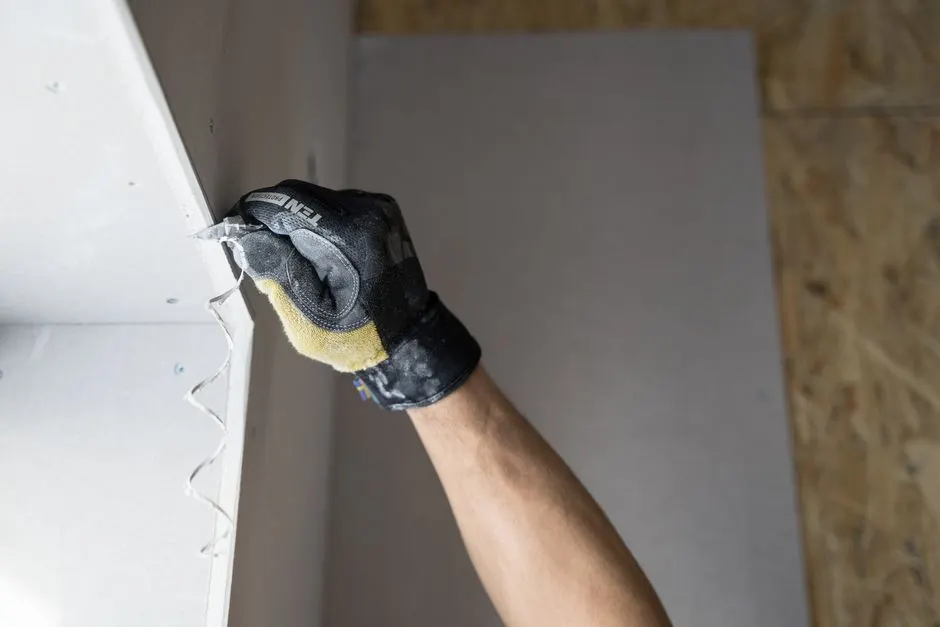
Visual inspection
We inspect all accessible areas for signs of mold, water damage, and moisture. This includes walls, ceilings, baseboards, and areas around plumbing fixtures. We look for staining, discoloration, bubbling paint, and musty odors.
Every drywall mold inspection Boise ID includes a thorough visual inspection, moisture mapping, air and surface sampling, lab analysis, and a written report. We also include a walkthrough to explain our findings. If you need additional services like crawl space or attic inspection, we can add those to the scope.
We inspect all accessible areas for signs of mold, water damage, and moisture. This includes walls, ceilings, baseboards, and areas around plumbing fixtures. We look for staining, discoloration, bubbling paint, and musty odors.
We use Protimeter moisture meters and Flir thermal imaging cameras to map moisture behind drywall without cutting. This shows us exactly where water is trapped and how far it has spread.
We collect air samples using an SKC pump and Air-O-Cell spore trap cassettes. These samples capture airborne mold spores and give us a baseline for indoor air quality compared to outdoor levels.
If we find visible growth, we take swab and tape lift samples. These identify the mold species and confirm whether it is black mold, toxic mold, or a less harmful type.
All samples go to an accredited lab for analysis using culture media and microscopy. Results typically come back within 24 to 48 hours and include species identification and spore counts.
You receive a comprehensive written report with photos, lab results, and a clear summary of findings. We include recommendations for remediation if needed and help you understand next steps.
Drywall mold inspection Boise ID is a non-invasive diagnostic service that finds mold growing behind drywall, inside wall cavities, and under painted surfaces before it spreads through your home. We use moisture meters, thermal imaging cameras, and borescope cameras to map wet zones without tearing your walls apart. When we find a suspect area, we collect air samples with a spore trap cassette and swab or tape lift samples for lab analysis. You get a written report showing exactly where mold is, what species it is, and how far it has spread.
Boise homes face specific mold risks. Winter freeze-thaw cycles crack exterior walls, spring snowmelt seeps into basements, and summer HVAC condensation feeds mold inside wall cavities. If you have had a water leak, a roof leak, or a bathroom fan that vents into the attic, mold can start growing behind drywall in 24 to 48 hours. Our drywall mold assessment Boise Idaho service gives you a clear picture of what is happening inside your walls so you can fix it before it becomes a health problem or a costly repair.
We follow a consistent five-step process on every drywall mold inspection Boise ID job. You know what to expect from the moment we arrive until you have your report in hand.
Schedule
Call or book online — a real human picks up and confirms a 2-hour arrival window.
Diagnose
Licensed tech inspects on-site, then walks you through the cause and your options.
Fix
The job is completed to code and done right the first time — no shortcuts, no surprises.
Guarantee
Every job backed by a written workmanship warranty — and we stand behind it.
Protimeter moisture meter
Measures moisture content in drywall, wood, and other materials. We use it to find wet areas behind walls without cutting.
Flir thermal imaging camera
Detects temperature differences caused by moisture. Thermal imaging shows us where water is trapped behind drywall.
Borescope camera
Allows us to see inside wall cavities through a small hole. We use it to confirm mold growth behind drywall.
SKC air sampling pump
Draws air through a spore trap cassette to capture airborne mold spores. We use it to measure indoor air quality.
Air-O-Cell spore trap cassette
Collects airborne spores for lab analysis. This is the standard method for air sampling during mold inspections.
Zefon swab and tape lift kits
Used to collect surface samples from visible mold. These identify the mold species and confirm whether it is toxic.
Extech hygrometer
Measures relative humidity and temperature. We use it to assess moisture conditions and recommend humidity targets.
IICRC S520 standard
We follow the IICRC S520 standard for mold remediation and inspection. This ensures our methods meet industry best practices for assessment, sampling, and reporting.
Thermal imaging survey
We use thermal imaging to scan walls, ceilings, and floors for temperature anomalies caused by moisture. This non-invasive method finds hidden mold without demolition.
Air sampling protocol
We collect air samples using SKC pumps and Air-O-Cell cassettes. We compare indoor spore counts to outdoor baseline levels to determine whether mold is elevated.
Surface sampling protocol
When we find visible mold, we collect swab and tape lift samples. These go to an accredited lab for species identification and spore counting.
01
What we do: We inspect the affected drywall and surrounding areas for hidden mold. Even if the surface looks dry, mold can grow on the back side of drywall. We use moisture meters and thermal cameras to check.
→ You know whether mold is present and whether remediation is needed. If mold has not started, you get recommendations to prevent it.
02
What we do: We perform a pre-purchase drywall mold inspection to check for signs of mold, water damage, and moisture. We sample air and surfaces if we find suspect areas.
→ You get a clear report you can use in negotiations. If mold is found, you know the scope and cost before you buy.
03
What we do: We use thermal imaging and borescope cameras to find hidden mold behind drywall, under floors, and in wall cavities. Air sampling confirms whether mold spores are elevated.
→ We locate the source of the smell and tell you exactly what is causing it. You get a plan to fix it.
04
What we do: We inspect basement drywall, framing, and insulation for mold. Basements are prone to mold after flooding, especially if drying was incomplete.
→ You know whether mold has started and how far it has spread. We give you a clear scope for remediation if needed.
Boise has a semi-arid climate, but that does not mean mold is rare. Winter freeze-thaw cycles crack exterior walls and allow moisture in. Spring snowmelt saturates soil and seeps into basements and crawl spaces. Summer HVAC condensation creates damp conditions inside wall cavities. Older homes in the North End and Depot Bench often have original plumbing that leaks slowly behind walls. Newer homes in Harris Ranch and Southeast Boise are tightly built, which can trap moisture if ventilation is poor. We adjust our drywall mold inspection Boise ID approach based on your home's age, construction, and history. If you have had a water leak, we prioritize those areas. If you smell something musty but cannot find the source, we use thermal imaging to scan the whole house.
North End
Older homes with original plumbing and less insulation. Slow leaks behind walls are common, especially in bathrooms and kitchens.
Boise Bench
Many homes have basements that can take on water during spring snowmelt. We check basement drywall and framing for mold.
Harris Ranch
Newer, tightly built homes that can trap moisture if ventilation is inadequate. We check HVAC systems and bathroom exhaust fans.
Downtown Boise
A mix of older and newer construction. We often find mold after plumbing leaks in condos and apartments.
Winter freeze-thaw cycles
Cracks in exterior walls allow moisture to enter. When temperatures warm, water seeps into wall cavities and can feed mold growth behind drywall.
Spring snowmelt
Saturated soil pushes water against foundations. Basements and crawl spaces can flood, and drywall in those areas is at high risk for mold.
Summer HVAC condensation
Air conditioning creates condensation on cold surfaces. If ducts or air handlers are not properly insulated, moisture can drip into wall cavities.
Dry summer heat
Low humidity in summer can mask moisture problems. Mold may go dormant but reactivates when conditions become damp again.
Hidden mold behind drywall causes health problems, structural damage, and expensive repairs. Here are the most common problems we solve for Boise homeowners.
Problem
A persistent musty odor usually means mold is growing behind drywall or in a hidden area. If ignored, mold spreads and affects indoor air quality, causing allergies and respiratory issues.
Our Fix
We use thermal imaging and borescope cameras to find hidden mold without tearing out walls. Air sampling confirms whether mold spores are elevated indoors. You get a clear answer and a plan to fix it.
Problem
Mold can start growing within 24 to 48 hours after water damage. If drywall stays wet, mold spreads through the paper and into wall cavities, requiring extensive removal and repair.
Our Fix
We inspect drywall after any water leak or flood to determine whether mold has started. If we find mold, we document it and recommend remediation. If the drywall is still wet but mold-free, we give you drying recommendations.
Problem
Paint and wallpaper can hide mold growth. By the time staining or bubbling appears, mold may have spread across a large area behind the surface.
Our Fix
Our drywall mold behind paint Boise ID inspection uses moisture meters and thermal cameras to detect mold without removing finishes. We identify the extent of contamination and tell you what needs to be removed.
Problem
Mold in crawl spaces or attics can spread into living areas through floor joists, wall cavities, and HVAC systems. If left unchecked, it contaminates the entire home.
Our Fix
We inspect crawl spaces and attics as part of a comprehensive drywall mold assessment. If we find mold, we trace it to its source and recommend a whole-home approach to remediation.
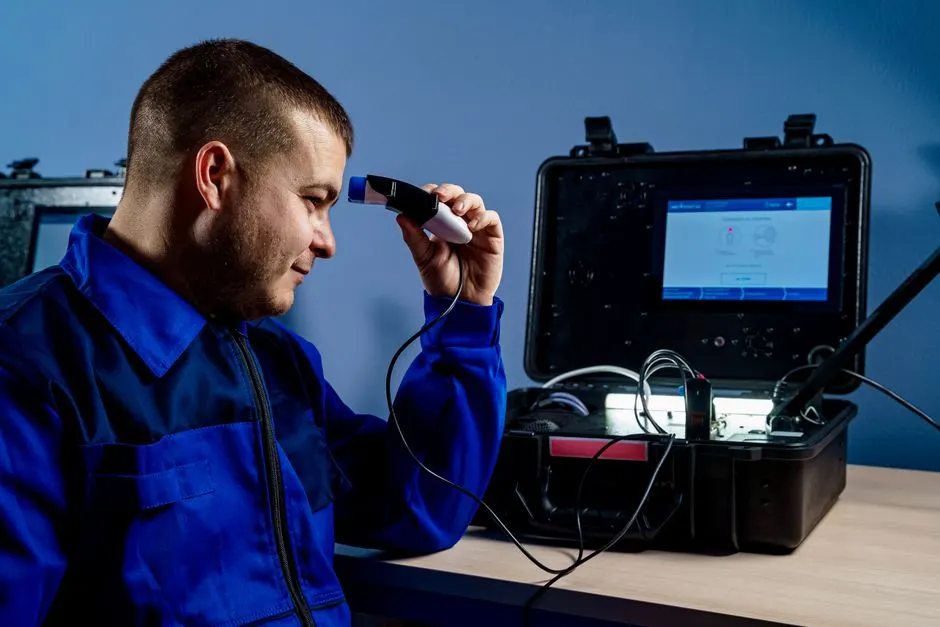
Hidden mold behind drywall does not fix itself. It spreads, damages framing, and affects indoor air quality. Here is what you get when you call us.
Find mold without demolition
We use thermal imaging cameras and borescope cameras to see behind drywall without cutting large holes. A 3/8-inch access point is often enough. That means less mess, less repair cost, and faster answers. You get a full map of affected areas in one visit.
Lab-confirmed results
We do not guess. Air samples go to an accredited lab using Air-O-Cell spore trap cassettes, and surface samples use swabs and tape lifts. You get species identification, including black mold (Stachybotrys) and toxic mold (mycotoxins), with spore counts you can hand to your insurance company or remediator.
Same-day appointments available
If you smell something musty or see water stains spreading, call us. We offer same-day drywall mold inspection Boise ID appointments when scheduling allows. Most inspections take 60 to 90 minutes for a standard home, and you get preliminary findings on site.
Clear next steps, no pressure
Your report tells you exactly what we found, where it is, and what needs to happen next. If you need drywall mold removal and repair Boise Idaho, we explain your options. If the mold is minor and you can handle it yourself, we tell you that too.
Real answers to the questions we hear most often from local homeowners and property managers.
A full-property mold inspection covers attics, crawl spaces, basements, and living areas. If your drywall inspection finds mold, we can expand the scope to check the whole house and find every moisture source.
View Mold InspectionMold testing identifies species and spore counts using air and surface samples. After a drywall mold inspection Boise ID, lab testing confirms whether the growth is black mold, toxic mold, or a less harmful species.
View Mold TestingAir quality testing measures airborne mold spores and other particles. If drywall mold is releasing spores into your living space, air testing shows how bad the contamination is and whether your HVAC system is spreading it.
View Air Quality TestingBlack mold (Stachybotrys) is a specific concern because it produces mycotoxins. If you see dark staining behind drywall or smell a musty odor, a black mold inspection confirms whether you have Stachybotrys and how far it has spread.
View Black Mold InspectionToxic mold testing identifies mold species that produce mycotoxins. If your drywall mold inspection finds mold, toxic mold testing tells you whether it is a species that requires immediate remediation and special handling.
View Toxic Mold TestingMold remediation removes mold and restores safe conditions. After a drywall mold inspection Boise ID confirms mold, remediation may involve HEPA filtration, antimicrobial solutions, and encapsulation coatings to prevent regrowth.
View Mold RemediationReady to schedule an inspection or have questions about mold testing? Call us at +1 866-896-8166 or email info@boisemoldtesting.com. We answer calls 24/7 for emergencies and schedule same-day appointments whenever possible. Our team serves all of Boise and Ada County, including ZIP codes 83702, 83703, 83704, 83705, 83706, and 83709.
Phone
+18668968166Address
Boise, Idaho
Hours
Mon–Fri: 7AM – 7PM
Sat: 8AM – 4PM
Sun: Emergency Only
24/7 Emergency Available