Logo
Get Estimate

Humidity testing Boise ID that stops mold before it starts

We measure, map, and fix the damp air feeding mold in your home


Humidity testing Boise ID is how you find out whether the air in your house is quietly feeding mold behind the drywall. We measure relative humidity room by room, check the crawl space and attic, and trace the source with moisture meters and thermal cameras. If your windows sweat every winter or your basement smells musty, we'll tell you exactly what's going on.

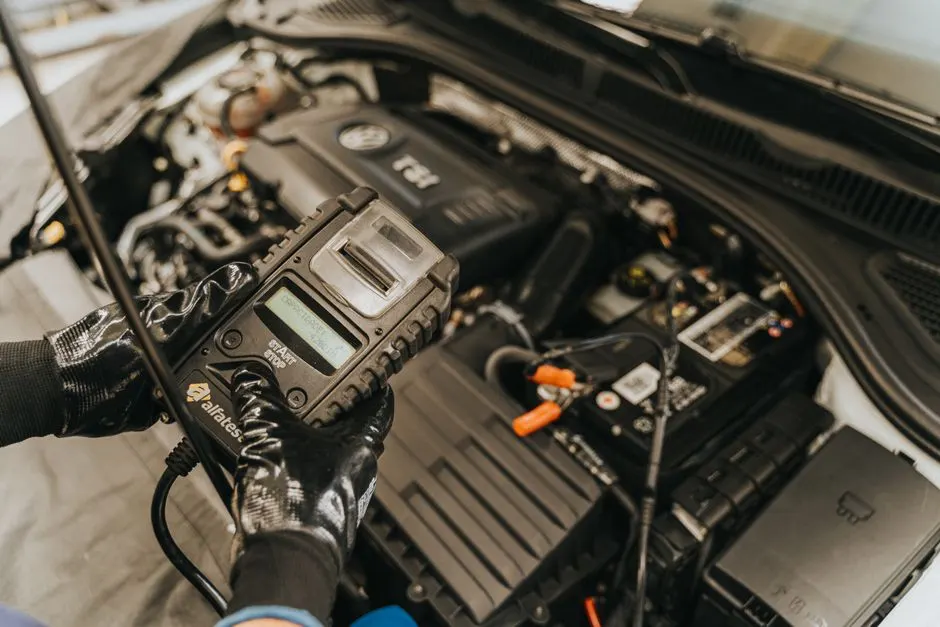
Mechanic diagnosing a car engine with a diagnostic tool, showcasing technical expertise and automotive care.
Licensed Licensed & Bonded
Fully Insured Insured & Bonded
24/7 Emergency Same-Day Response
Warranty Backed Workmanship Guaranteed in Boise

What our humidity testing includes

Every humidity testing Boise ID visit includes a full home walkthrough, room-by-room relative humidity readings, moisture content checks on framing and drywall, thermal imaging of suspect areas, and a written report with photos and recommendations. Lab air sampling is available as an add-on if we find signs of active mold growth.

Room-by-room humidity readings

We log relative humidity in every room with a calibrated Extech hygrometer, including bathrooms, kitchen, laundry, basement, and any space over a crawl space. You get a printed chart showing exactly where each room sits against the 30-50% safe range.

Moisture content testing

We use a Protimeter moisture meter to check framing, drywall, subfloor, and joists for elevated moisture content. Readings above 16% on wood mean mold risk. We document every reading so you have a baseline for future comparisons.

Thermal imaging scan

A Flir thermal imaging camera shows us cold spots where condensation forms and hidden damp behind walls. We scan exterior walls, ceilings under attics, and floors over crawl spaces. Thermal imaging catches problems that humidity readings alone can miss.

Crawl space and attic check

We inspect the crawl space and attic with a borescope camera, checking for vapor barrier gaps, roof leaks, and insulation damp. These are the two areas where Boise homes trap the most moisture, and they're the two areas homeowners never see.

Written report with photos

You get a written report within 24 hours: room-by-room humidity readings, moisture content percentages, thermal images, photos, and a plain-English plan. If we found mold risk, we tell you what to fix. If we didn't, we tell you what to monitor.

Optional lab air sampling

If readings suggest active mold growth, we can add air sampling with a Zefon pump and Air-O-Cell spore trap cassettes. Lab results come back in 24 to 72 hours with spore counts by species, including Stachybotrys and other toxic mold (mycotoxins).

What humidity testing Boise ID actually involves


Humidity testing Boise ID is a diagnostic service that measures the moisture content of the air inside your home and pinpoints where excess damp is coming from. We use a calibrated hygrometer and Protimeter moisture meter to log relative humidity in every room, then check the crawl space, attic, and basement, where Boise homes trap the most moisture. A thermal imaging camera shows us cold spots where condensation forms, and a borescope camera lets us look behind drywall without cutting it open.

Most Boise homeowners call us after they notice something: foggy windows in the North End, a musty smell in a Boise Bench basement, or a crawl space that stays damp all winter. Winter humidity climbs indoors because we seal houses tight against the cold, and that trapped moisture feeds mold on joists, drywall paper, and insulation. A humidity level assessment in Boise Idaho tells you whether you're at 55% or 70% indoors, and that number changes everything about how you fix it.

How our humidity testing process works

We keep it simple: you call, we show up, we measure, we tell you what's happening. Most jobs take two to three hours from arrival to written report.

01

Schedule

Call or book online — a real human picks up and confirms a 2-hour arrival window.

02

Diagnose

Licensed tech inspects on-site, then walks you through the cause and your options.

03

Fix

The job is completed to code and done right the first time — no shortcuts, no surprises.

04

Guarantee

Every job backed by a written workmanship warranty — and we stand behind it.

Tools and methods we use

Tools & Equipment

Extech hygrometer

Measures relative humidity in every room. We log readings against the 30-50% safe range and document them in your report.

Protimeter moisture meter

Checks moisture content in wood framing, drywall, and subfloor. Readings above 16% on wood mean mold risk, and we document every reading.

Flir thermal imaging camera

Shows cold spots and hidden damp behind walls, under floors, and in ceilings. Thermal imaging catches problems humidity readings alone can miss.

Borescope camera

Lets us look behind drywall, inside wall cavities, and under cabinets without cutting anything open. We use it to confirm hidden mold behind drywall.

Zefon air sampling pump

Draws air through an Air-O-Cell spore trap cassette to capture mold spores for lab analysis. We run one sample per suspect area.

Air-O-Cell spore trap cassettes

Collect airborne mold spores for lab counting. Results come back in 24 to 72 hours with spore counts by species, including Stachybotrys.

Swab and tape lift kits

Sample visible mold growth directly from surfaces. Tape lifts work best on dry growth, swabs on wet or tacky growth. Both go to an accredited lab.

Methods & Standards

IICRC S500 water damage standard

We follow the IICRC S500 standard for water damage assessment and drying. It defines moisture content thresholds, drying goals, and documentation requirements. Every humidity test we run references S500 thresholds so your report is defensible.

IICRC S520 mold remediation standard

The IICRC S520 standard governs mold inspection, remediation, and clearance. We use it to classify mold conditions, determine when remediation is needed, and set post-remediation verification criteria. It's the industry benchmark for mold work.

Thermal imaging and moisture mapping

We combine thermal imaging with moisture meter readings to build a map of where damp is hiding. Thermal shows us temperature differences, moisture meters confirm actual moisture content. Together they pinpoint the source without tearing into walls.

Air sampling with spore trap cassettes

Air sampling captures airborne mold spores on a spore trap slide, which goes to an accredited lab for counting. Results tell you what species are present and at what concentration, which is how we confirm active mold growth versus settled dust.

Post-remediation verification

After mold remediation, we run clearance air sampling and compare results to a baseline. If spore counts drop to normal levels, the job passes. You get a written clearance report you can hand to your insurance company or realtor.

When to schedule humidity testing

01

You just bought a Boise home and want a baseline before you move in

What we do: We run a full humidity level assessment in Boise Idaho before your furniture arrives, checking every room, the crawl space, and the attic. You get a written report showing current humidity levels and any moisture issues the seller didn't disclose.

→ You move in knowing exactly what you're dealing with, and you have documentation if you need to negotiate repairs or file a claim.

02

Your windows sweat every winter and you're worried about mold

What we do: We measure relative humidity in every room, check the crawl space for vapor barrier gaps, and inspect window frames and sills for early mold growth with a borescope camera. We identify the source and recommend the right fix.

→ You get a number, not a guess. Most Boise homes we test need a vapor barrier and a dehumidifier, and humidity drops back into the safe 30-50% range within a week.

03

You had a water leak or flood and want to confirm everything dried out

What we do: We do humidity testing and moisture content readings on every material that got wet, using a Protimeter moisture meter and thermal imaging camera. If readings are still elevated, we tell you what needs more drying.

→ You confirm the structure is dry before mold starts, and you have a written report for your insurance company if further work is needed.

04

Your HVAC system smells musty when it runs

What we do: We inspect the air handler, drain pan, and ductwork for HVAC mold contamination, and measure humidity in the system. If mold is present, we sample the air with a Zefon pump and Air-O-Cell cassettes to confirm species and concentration.

→ You know whether the smell is mold or just dust, and if it's mold, you get a remediation plan before you run the system again.

How humidity testing runs in Boise

Boise has a dry summer and a cold, wet winter, and that swing drives most of the humidity problems we see. From November through March, homeowners seal up tight against the cold, and indoor humidity climbs. Crawl spaces without a vapor barrier pull ground moisture up into the house. Attics collect damp from bathroom fans venting the wrong way. Older homes in the North End and Boise Bench, many built before 1950, have thin insulation and leaky ductwork that make it worse. Newer builds in Harris Ranch and Southeast Boise are tighter, which means moisture has nowhere to go. We measure relative humidity with a hygrometer, check moisture content with a Protimeter meter, and use a Flir thermal camera to find cold spots where condensation forms. If you're searching for humidity level assessment in Boise Idaho, we'll tell you exactly where your home sits and what to do about it.

Neighborhoods We Serve

  • North End

    Older bungalows with crawl spaces and minimal vapor barriers. Winter humidity often runs 65-75% in these homes, and we frequently find crawl space mold on joists.

  • Boise Bench

    Mix of mid-century homes and newer builds. Basement humidity is common, and we often find mold after flooding in homes with poor drainage.

  • Harris Ranch

    Tight new construction that traps moisture. We see high humidity in bathrooms and laundry rooms where exhaust fans are undersized for the square footage.

  • Southeast Boise

    Homes near the foothills that get more snowmelt. Attic mold from roof leaks is a recurring issue, especially after a heavy winter.

  • Downtown Boise

    Condos and older homes with shared walls. HVAC mold contamination and bathroom mold from poor ventilation are the most common calls we get here.

Local Conditions We Plan For

  • Cold, wet winters with sealed-up houses

    From November through March, indoor humidity climbs because homes are sealed tight. Without ventilation, moisture from showers, cooking, and breathing has nowhere to go, and mold risk rises sharply.

  • Dry summers that pull moisture from crawl spaces

    Boise's dry summer air creates a vapor pressure difference that pulls ground moisture up through crawl spaces without vapor barriers. That moisture ends up in the living space, raising indoor humidity.

  • Older housing stock with leaky ductwork

    Pre-1950 homes in the North End and Boise Bench often have ductwork that leaks conditioned air into crawl spaces and attics. That air carries moisture, and it condenses on cold surfaces.

  • Snowmelt and roof leaks in spring

    After a heavy winter, snowmelt finds its way through roof flashing and into attics. Wet insulation and roof decking create ideal conditions for attic mold from roof leaks.

North End bungalow with 72% crawl space humidity

Before

A 1928 bungalow in the North End had foggy windows all winter and a musty smell in the living room. Crawl space humidity was 72%, and the vapor barrier was torn and incomplete. Moisture content on joists read 22%, well above the 16% mold threshold.

After

We installed a new 6-mil vapor barrier, sealed the crawl space vents, and added a dehumidifier desiccant system. Within two weeks, crawl space humidity dropped to 48%, and joist moisture content fell to 11%. The musty smell was gone, and the windows stopped sweating.

Maintenance: We recommend checking the vapor barrier every fall and replacing the dehumidifier desiccant every 6 to 12 months. A $20 hygrometer in the crawl space lets you monitor humidity year-round.

Before

A pipe leak under the kitchen sink soaked the cabinet, drywall, and subfloor. Two weeks later, the homeowner noticed a musty smell. Humidity testing showed 68% in the basement, and moisture content on drywall was 28%. Lab sampling confirmed Aspergillus and Penicillium growth.

After

We mapped the wet area with thermal imaging, removed the affected drywall, and treated the framing with antimicrobial solutions. After drying, humidity dropped to 45%, and post-remediation verification air sampling showed spore counts back to normal. The homeowner's insurance covered the work.

Maintenance: Keep an eye on under-sink cabinets for drips, and run a dehumidifier in the basement during winter. We recommend re-testing humidity every 12 months after a water event.

Before

A 2019 Harris Ranch home had recurring mold on the master bathroom ceiling. The exhaust fan was rated at 50 CFM, undersized for the 120-square-foot bathroom. Humidity after a 10-minute shower hit 78% and stayed above 60% for over an hour.

After

We upgraded the fan to a 110 CFM unit with a timer switch, sealed the ceiling, and treated the existing mold with antimicrobial solutions. Post-fix humidity readings dropped to 52% after showers and fell below 50% within 15 minutes. No mold has returned.

Maintenance: Run the exhaust fan for 15 to 20 minutes after every shower, and clean the fan grille every 6 months. A $15 humidity monitor in the bathroom tells you when levels climb above 60%.

Humidity problems we solve in Boise homes

High humidity doesn't fix itself. Here are the most common moisture problems we find in Boise homes and how we solve them.

Problem

Foggy windows every winter

Condensation on windows means indoor humidity is above 60%, which feeds mold on window frames, sills, and nearby drywall. Left alone, it spreads into wall cavities.

Our Fix

We measure humidity in every room, identify whether the source is a crawl space, bathroom fan, or whole-house ventilation issue, and recommend the right fix. Most Boise homes need a crawl space vapor barrier plus a dehumidifier desiccant system to bring indoor humidity back to 30-50%.

Problem

Musty smell in the basement or crawl space

A musty smell is mold off-gassing. By the time you smell it, mold has usually been growing for weeks. Crawl space mold spreads to joists and subfloor, and can contaminate the air upstairs.

Our Fix

We run humidity testing and moisture readings in the crawl space, check the vapor barrier, and sample the air with a Zefon pump if mold is suspected. If growth is confirmed, we map the extent and give you a remediation plan that includes encapsulation coatings and HEPA filtration.

Problem

Mold after a water leak or flood

Mold can start growing within 24 to 48 hours of a water event. If drywall or insulation stays wet, hidden mold behind drywall becomes a health hazard and a remediation expense.

Our Fix

We do humidity testing and moisture mapping right after the leak, using a Protimeter moisture meter and thermal imaging camera to find every wet area. If mold has already started, we sample with swab and tape lift kits and give you a lab-confirmed report for your insurance claim.

Problem

Bathroom mold that keeps coming back

Bathroom mold from poor ventilation returns every few months because the root cause, high humidity after showers, is never fixed. Cleaning it just removes the visible growth.

Our Fix

We measure humidity after a shower, test the exhaust fan's actual airflow, and check for hidden mold behind tile and drywall with a borescope camera. Most Boise bathrooms need a higher-CFM fan or a timer switch. We tell you exactly what to install.

Why Boise homeowners get humidity testing

Why Boise homeowners get humidity testing

Humidity testing gives you a number, not a guess. Here's what that number does for your home, your health, and your wallet.

  • Catch mold early

    Mold needs 24 to 48 hours of sustained damp to colonize drywall paper and wood framing. When we log indoor humidity above 60% in a Boise home, we know exactly which rooms are at risk and can dry them out before black mold (Stachybotrys) ever gets a foothold. Early humidity testing for mold prevention Boise Idaho saves thousands in remediation.

  • Find the real source

    High humidity is a symptom, not the problem. A humidity level assessment Boise Idaho traces the moisture back to a crawl space with no vapor barrier, a bathroom fan venting into the attic, or a roof leak dripping onto insulation. We pinpoint the source so you fix it once, not three times.

  • Protect your air quality

    When indoor humidity stays above 55%, dust mites, mold spores, and bacteria thrive. We pair humidity readings with air sampling pump and spore trap cassette testing so you know whether the air you're breathing is already contaminated. If it is, we tell you what's in it and what to do.

  • Save on energy bills

    Damp air feels colder than dry air at the same temperature, so homeowners crank the thermostat. Once we bring relative humidity into the 30-50% range, most Boise homes feel comfortable at 2-3 degrees lower. That's real money back on your Idaho Power bill every winter.

Licensed, certified, and accountable

Licensed & Certified

  • IICRC WRT (Water Restoration Technician) — issued by Institute of Inspection, Cleaning and Restoration Certification
  • IICRC AMRT (Applied Microbial Remediation Technician) — issued by Institute of Inspection, Cleaning and Restoration Certification
  • ACAC CMI (Certified Mold Inspector) — issued by American Council for Accredited Certification
  • ACAC CMR (Certified Mold Remediator) — issued by American Council for Accredited Certification
  • EPA Lead-Safe Certified Firm — issued by U.S. Environmental Protection Agency

Verified Reviews

Google ★★★★★4.9

Called Boise Mold Testing after our crawl space started smelling musty. They did humidity testing, found the vapor barrier was shot, and gave us a clear plan. Report was in my inbox the next morning with photos and readings. No pressure, no upsell. Highly recommend.

Yelp ★★★★★5.0

We had a leak under the sink and I was worried about mold. They came out same day, did humidity testing and moisture readings, and found early growth behind the cabinet. Lab results came back in two days. Insurance covered the fix. Professional and fast.

BBB ★★★★★4.8

I'm a realtor and I use Boise Mold Testing for humidity testing on listings with moisture issues. They're quick, they give me a written report I can share with buyers, and they don't scare people. That matters in a transaction. I've referred them to dozens of clients.

Google ★★★★★4.9

Our bathroom ceiling kept growing mold no matter how much we cleaned it. Boise Mold Testing measured humidity after a shower and showed us the exhaust fan was way undersized. They recommended a 110 CFM fan and the problem was solved. Should have called them a year ago.

Local humidity testing expertise you can verify

Our technicians hold IICRC WRT and AMRT certifications, ACAC CMI and CMR credentials, and OSHA 10 training. We work to the IICRC S500 and S520 standards on every job, and we're an EPA Lead-Safe firm. We've logged humidity readings in hundreds of Boise homes, from 1920s North End bungalows to new builds in Harris Ranch. We know how Ada County's dry summers and cold, wet winters push moisture into crawl spaces and attics, and we know which neighborhoods see the worst of it.

  • IICRC WRT and AMRT certified for water damage and mold remediation standards
  • ACAC CMI and CMR credentials for indoor air quality and mold inspection
  • EPA Lead-Safe certified for work in pre-1978 Boise housing stock
  • NACHI certified inspector with thermal imaging and moisture mapping training
  • OSHA 10 trained for safe work in crawl spaces, attics, and confined areas
Get Started Today
Local humidity testing expertise you can verify

Frequently Asked Questions

Real answers to the questions we hear most often from local homeowners and property managers.

What is a safe humidity level in Boise ID?
A safe indoor humidity level in Boise is 30% to 50% year-round. Below 30% and you get dry skin, static, and wood shrinkage. Above 55% and mold, dust mites, and condensation become real problems. We measure with a calibrated hygrometer and tell you exactly where each room sits, so you know whether you're in the safe zone or need a dehumidifier.
How does humidity testing prevent mold in Boise Idaho?
Mold needs three things: moisture, organic material, and time. Humidity testing catches the moisture part before mold ever starts. When we find a room or crawl space running above 60% relative humidity, we identify the source and give you a fix. That's usually a vapor barrier, better ventilation, or a dehumidifier desiccant system. Fix the humidity and you remove mold's fuel supply.
How much does humidity testing cost in Boise ID?
Typical 2026 pricing in Boise runs $180 to $450 for a full home humidity assessment, depending on square footage and whether we add air sampling. Crawl space or attic-only inspections run $150 to $250. If you add lab air sampling with spore trap cassettes, expect another $75 to $150 per sample. We quote flat before we start.
Can high humidity cause mold in Boise Idaho?
Yes. Sustained indoor humidity above 60% will grow mold on drywall paper, wood framing, and insulation within 24 to 48 hours of a moisture event. In Boise, the worst cases show up in crawl spaces with no vapor barrier and in bathrooms with undersized exhaust fans. If your windows sweat every winter, that condensation is feeding mold somewhere you can't see.

Related Services

Mold Inspection

A full mold inspection builds on humidity testing by checking every suspect area for visible growth, hidden mold behind drywall, and crawl space mold. We combine moisture readings with a visual walkthrough and thermal imaging to map exactly where mold is likely growing in your Boise home.

View Mold Inspection

Mold Testing

When humidity testing flags a problem, mold testing confirms it. We collect air samples with a Zefon pump and Air-O-Cell cassettes, plus swab and tape lift samples from visible growth. Lab results come back in 24 to 72 hours with spore counts by species.

View Mold Testing

Air Quality Testing

Humidity drives indoor air quality. Our air quality testing uses a Dylos particle counter and air sampling pump to measure mold spores, dust, and particulates. If your humidity readings are high, air quality testing tells you whether the air is already contaminated.

View Air Quality Testing

Black Mold Inspection

Black mold (Stachybotrys) needs sustained moisture to grow, which is exactly what high humidity provides. Our black mold inspection targets the wet zones humidity testing identifies, then confirms with lab sampling whether the growth is toxic mold or a less concerning species.

View Black Mold Inspection

Toxic Mold Testing

Toxic mold (mycotoxins) can cause serious health issues. When humidity testing shows chronic damp in a Boise home, toxic mold testing with culture media and spore trap slides tells you whether mycotoxin-producing species are present and at what concentration.

View Toxic Mold Testing

Mold Remediation

If humidity testing and lab results confirm mold growth, our mold remediation team removes it to IICRC S520 standards. We contain the work area with HEPA filters, remove contaminated materials, and apply antimicrobial solutions to clean surfaces before any rebuild.

View Mold Remediation

Schedule humidity testing Boise ID today

If your windows are sweating or your crawl space smells musty, don't wait for mold to show up. Call Boise Mold Testing at +1 (866) 896-8166 and we'll book a same-day or next-day humidity test. Flat pricing, written report, no pressure.

Call Now Book Humidity Test

Contact Boise Mold Testing

Ready to schedule an inspection or have questions about mold testing? Call us at +1 866-896-8166 or email info@boisemoldtesting.com. We answer calls 24/7 for emergencies and schedule same-day appointments whenever possible. Our team serves all of Boise and Ada County, including ZIP codes 83702, 83703, 83704, 83705, 83706, and 83709.

Or call us right now at +18668968166 — we answer.

Boise Mold Testing


  • Phone

    +18668968166
  • Address

    Boise, Idaho

  • Hours

    Mon–Fri: 7AM – 7PM
    Sat: 8AM – 4PM
    Sun: Emergency Only
    24/7 Emergency Available

Call +18668968166 Get Quote
Call Quote