
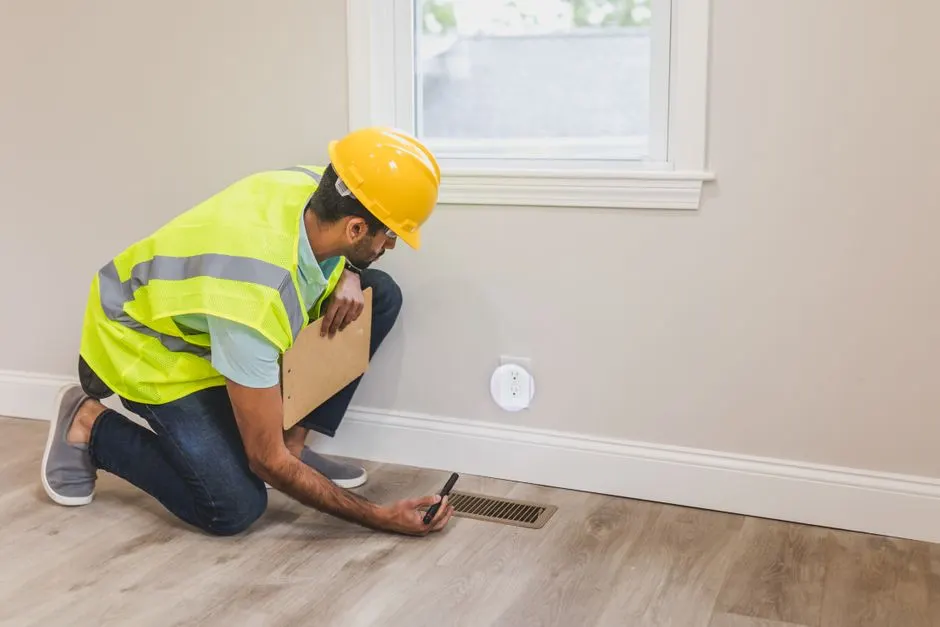
The best time to schedule mold inspection and testing in Boise is the moment you notice musty odors, visible dark spots, or unexplained allergy symptoms - and if none of those exist, book an inspection every 12 to 18 months, ideally in late winter or early spring before the dry season masks hidden growth. Mold inspection and testing is a professional service that identifies mold species, locates moisture sources, and measures spore counts so you know whether your home has a problem worth fixing. This guide walks through Boise's seasonal mold patterns, the specific triggers that should push you to call now rather than later, and how often testing actually makes sense for Treasure Valley homes.
The Short Answer: Timing Your Mold Inspection in Boise
Mold inspection and testing in Boise should happen within 48 hours of any water intrusion, and on a routine schedule of every 12 to 18 months for homes with crawl spaces, basements, or older plumbing. That 48-hour window is not arbitrary - mold spores germinate in 24 to 48 hours when moisture is present, and visible colonies form in 5 to 10 days. Waiting two weeks after a burst pipe means you are testing a problem that has already spread.
For homes without an active leak, the ideal timing is late winter into early spring. Boise's snowmelt and spring rain push moisture against foundations and into crawl spaces, and indoor humidity climbs before the air conditioner starts running. An inspection in March or April catches growth while it is still confined to one area. If you miss that window, late September - after summer irrigation stops but before the furnace dries everything out - is the second-best slot.
We schedule Mold Inspection and Testing Boise ID appointments year-round, and the honest truth is that no month is a bad month to test. The question is what you are testing for and what the weather is doing to your results.
Why Boise's Climate Creates Specific Mold Windows
Boise sits in a high-desert valley, which fools a lot of homeowners into thinking mold is not a local problem. It is. The Treasure Valley gets roughly 12 inches of annual precipitation, but that rain and snow arrive in concentrated bursts - February through May - and the Boise River corridor keeps relative humidity elevated well into June. Add temperature swings that push indoor air against cold exterior walls, and you get condensation on surfaces that never fully dry.
Three local factors drive most of the mold calls we run:
- Snowmelt against foundations. When 6 to 10 inches of snow melts in a week, water pools against basement walls and wicks through block foundations common in homes built before 1980.
- Crawl space humidity. Boise's clay-heavy soil holds moisture, and vented crawl spaces pull that damp air upward into the living space all summer.
- Irrigation overspray. Automatic sprinklers running against siding and foundation walls from May through September keep the lower 18 inches of your exterior wet for months.
That last one catches people off guard. We have pulled siding in the North End and found black mold on sheathing that had been wet every summer for years. If your sprinklers hit the house, you are watering mold, not grass.
One more local detail: Boise's new construction boom means thousands of homes built between 2015 and 2025 are now hitting the age where builder-grade window flashing and shower pans start failing. A 7-year-old house with a slow shower leak can grow more mold behind the tile than a 50-year-old house with good ventilation.
Season-by-Season Guide to Mold Testing in Boise
Seasonal mold inspection in Boise follows a predictable pattern, and knowing what each season does to your home helps you pick the right testing window.
Winter (December-February): The Hidden Growth Season
Winter is when mold grows quietly. Windows stay shut, furnaces run constantly, and indoor humidity from showers, cooking, and breathing has nowhere to go. Condensation forms on window frames, exterior wall corners, and attic sheathing. By February, we routinely find mold in attics where warm, moist air has been leaking through ceiling penetrations all winter.
If you had ice dams last winter or any roof leak, schedule testing in January or February. You want to catch that growth before spring rains add more water.
Spring (March-May): The Best Time for Mold Inspection Boise ID
Spring is the single best time for mold inspection in Boise ID because it follows the wettest months and precedes the dry season that hides problems. Snowmelt is actively pushing water into crawl spaces and basements. Rain is hitting exterior walls. And indoor humidity is still high enough that any mold present is actively releasing spores - which means air sampling produces accurate, useful numbers.
This is also the season when mold inspection Boise ID catches crawl space problems early. A crawl space that reads 75% relative humidity in April will be a mold factory by July if nobody addresses the drainage.
Summer (June-August): Dry Air, Hidden Moisture
Summer is the trickiest season for testing. Boise's outdoor air dries out, indoor humidity drops, and mold goes dormant. Air samples taken in July often come back clean even when mold colonies are sitting behind drywall or under flooring. That does not mean testing is useless in summer - it means we lean harder on moisture mapping and surface sampling rather than relying on airborne spore counts alone.
Summer is also peak season for air conditioner mold. The condensate pan and drain line are wet 24/7, and a clogged drain line turns the unit into a mold incubator. If your AC smells musty when it kicks on, that is a summer testing call.
Fall (September-November): The Second-Best Window
Fall works well because irrigation stops, windows start closing, and the first furnace cycles begin drying out the house. Mold that grew all summer starts releasing spores as indoor humidity fluctuates. An October inspection catches damage before winter seals the house up again.
Fall is also when we get the most calls from people who just bought a house in spring and are now noticing smells. If you purchased a home in 2026 without a mold inspection, fall is a smart time to verify what you bought.
Signs You Need Mold Testing in Boise Idaho Right Now
Signs you need mold testing in Boise Idaho include a persistent musty smell, visible discoloration on walls or ceilings, unexplained respiratory symptoms that improve when you leave the house, and any water event in the past 60 days. Any one of those is enough to justify testing. Two or more means you should call this week.
Here is what we tell homeowners to watch for:
- Musty odor that never goes away. Mold produces microbial volatile organic compounds (MVOCs) that smell like wet socks or old books. If you smell it in one room consistently, mold is growing somewhere you cannot see.
- Dark spots on drywall, ceiling tiles, or window frames. Not all black spots are mold - but if they smear when you wipe them, they probably are.
- Peeling paint or bubbling drywall. Moisture behind the surface is pushing the paint off. That moisture is feeding mold.
- Warped baseboards or soft flooring near tubs and sinks. Water has been getting where it should not for a while.
- Allergy symptoms that hit indoors. If your congestion, headaches, or coughing get worse at home and better at work, your indoor air is the variable.
- A recent water event. Burst pipe, overflowing toilet, roof leak, dishwasher failure - anything that soaked building materials needs testing within 48 hours if it was not dried within 24 to 48 hours.
One sign people ignore: a crawl space that smells earthy or damp when you open the access hatch. That smell is the early warning. By the time mold is visible on floor joists, it has been growing for months.
How Often Should You Inspect for Mold in Boise ID?
How often mold inspection Boise ID homeowners need depends on the house, not a calendar. For most homes, every 12 to 18 months is the right interval. For homes with crawl spaces, basements, or a history of water damage, every 12 months. For rental properties and homes that sit vacant part of the year, every 6 to 12 months.
Here is a simple schedule we recommend:
- Annual: Full inspection with moisture mapping and air sampling. Best done March through May.
- After any water event: Within 48 hours if materials stayed wet longer than a day.
- Before buying or selling a home: Always. A standard home inspection does not test for mold.
- After remediation: Post-remediation verification to confirm the work actually worked.
- When symptoms appear: Do not wait for the annual slot if you feel sick at home.
We also recommend a moisture inspection Boise ID any time you notice a spike in your water bill or a new damp spot in the basement. Finding the water source is 80% of solving a mold problem.
Special Situations That Demand Immediate Testing
Some situations override the seasonal calendar entirely. When to get mold inspection after water damage in Boise ID is not a seasonal question - it is a 48-hour question. If your basement flooded in the spring of 2026 and you shop-vacced the water but did not run dehumidifiers, mold started growing in the carpet pad and drywall within two days.
Other situations that call for immediate testing:
- Flooding. When to schedule mold inspection after flooding Boise ID: as soon as the water is extracted. Category 2 and Category 3 water (gray and black water) introduces mold spores and bacteria directly into building materials.
- Roof leaks. Even a small leak that stains a ceiling creates a wet attic deck and insulation. Attic mold testing Boise ID should happen within a week of discovering the leak.
- HVAC problems. A clogged condensate drain or dirty evaporator coil spreads mold spores through every room in the house. If your system smells musty, test before you run it again.
- Real estate transactions. Mold inspection before buying a house Boise Idaho is not required by law, but it is the cheapest insurance you will ever buy. We find something in roughly one out of three pre-purchase inspections.
- After a remediation job. Always verify with clearance testing. A remediator who says testing is unnecessary is asking you to take their word for it.
If you live in a neighborhood with older housing stock - the North End, parts of the Bench, downtown - the baseline risk is higher because plumbing and drainage systems are older. We see more hidden leaks in those areas than anywhere else in the valley.
Common Mistakes Boise Homeowners Make with Mold Timing
The biggest mistake is waiting for visible mold before testing. By the time you see it, the colony has been growing for weeks and spores have spread through the HVAC system. Testing exists to catch problems before they are visible.
Other mistakes we see constantly:
- Bleaching the surface and calling it fixed. Bleach kills surface mold but does nothing about the moisture source or the roots inside drywall. It comes back in weeks.
- Testing in summer and trusting a clean air sample. Dormant mold does not release spores. A clean summer air test does not mean a clean house.
- Skipping the crawl space. Crawl spaces are where most Boise mold problems start. If your inspector does not go under the house, you did not get an inspection.
- Using a DIY test kit. Petrie-dish kits grow whatever is in the air that day. They cannot tell you species, concentration, or where the problem is.
- Testing after remediation without a control sample. You need an outdoor baseline to interpret indoor spore counts. Any lab report without an outdoor control is incomplete.
- Ignoring the smell because nobody is sick. Not everyone reacts to mold the same way. Absence of symptoms is not absence of mold.
We also see homeowners test once, get a clean result, and never test again. Mold is a moisture problem, and moisture problems come and go with the seasons. One clean test in April does not cover a roof leak in November.
When to Call a Professional
Call a professional when you have any combination of visible growth, a musty smell, a recent water event, or unexplained symptoms - and especially if you are buying or selling a home. Our team at Boise Mold Testing handles the full process: moisture mapping, air and surface sampling, lab analysis, and a written report you can act on.
We use calibrated moisture meters, thermal imaging, and accredited lab analysis. We do not sell remediation, so our testing results are not tied to a repair quote. You get the data, and you decide what to do with it. If remediation is needed, we can point you toward the right scope of work.
If you are in a neighborhood with older housing stock or a history of water issues, we also offer focused inspections. For example, we run Mold Inspection and Testing in North End properties with the same protocol we use everywhere else, but we pay extra attention to the crawl spaces and foundation drainage that cause most of the problems in that part of town.
Frequently Asked Questions
When should I schedule mold inspection in Boise ID?
Schedule within 48 hours of any water intrusion, or every 12 to 18 months for routine checks. The best seasonal window is March through May, after snowmelt and spring rain but before summer dries out the air and masks active growth.
How often should I test for mold in Boise Idaho?
Every 12 to 18 months for most homes. Homes with crawl spaces, basements, or a history of leaks should be tested annually. Rental properties and vacant homes benefit from testing every 6 to 12 months.
Is spring the best time for mold inspection in Boise ID?
Yes. Spring follows Boise's wettest months, so moisture is still present and mold is actively releasing spores. Air samples taken in March, April, or May produce the most accurate and useful results for Treasure Valley homes.
Should I get mold inspection before selling my house in Boise Idaho?
Yes. A pre-listing inspection lets you fix problems before they complicate a sale. Buyers increasingly request mold testing, and a clean report from a licensed inspector speeds up closing and protects your asking price.
How long does mold inspection and testing take?
A standard inspection takes 1.5 to 3 hours on site, depending on home size and crawl space access. Lab results typically come back in 2 to 5 business days, and we deliver a written report with species identification and spore counts.
Get Help with Mold Inspection and Testing in Boise
If you are dealing with a musty smell, a recent leak, or you just want to know what is in your air, call Boise Mold Testing at +1 866-896-8166. We will schedule your inspection, sample the right locations, and give you a clear report you can act on.
Do not wait for visible mold. The earlier we test, the cheaper the fix.